

Get Ready for Pest Season: Your Essential UK Home Preparation Guide
Introduction
Proactive pest control starts with a thorough assessment and targeted prevention to keep your home, health, and peace of mind secure all year round. As the UK experiences warmer springs, wetter summers, and milder winters, the risk of pests like ants, rodents, and wasps invading our homes increases. Spotting these threats early builds resilience and prevents costly damage. Pest Dominion’s eco-friendly Pest Proofing and Exclusion services use proven methods to seal entry points, manage wildlife, and support integrated pest management. This guide covers the essentials: why preparation is key (including climate change impacts, health and property risks, and timing), specific strategies for spring, summer, autumn, and winter, vital year-round pest prevention tips, and clear signs when it’s time to call in the experts. By combining practical homeowner actions with Pest Dominion’s BPCA-accredited, environmentally conscious approach, you can confidently maintain a pest-free home, from Maidenhead to Uxbridge and beyond.
Why Is Preparing for Pest Season Crucial in the UK?
Getting ready for pest season means assessing your home’s vulnerabilities, implementing exclusion techniques, and monitoring for activity to minimise infestation risks. This safeguards your property and promotes household well-being. By sealing gaps and removing attractants early, you can stop pests before they establish nests or colonies, significantly reducing health hazards like allergies and contamination.
For instance, sealing joints where walls meet foundations can prevent rodents from entering and limit insect access, enhancing your home’s long-term resilience. Understanding this importance naturally leads to examining how climate change is intensifying pest lifecycles and why prompt action is essential.
How Is Climate Change Affecting UK Pest Seasons and Activity?
Warmer average temperatures and unpredictable rainfall are extending pest breeding cycles, allowing species like mosquitoes and ants to reproduce earlier and in larger numbers. This means pests are emerging sooner in spring and lingering longer into autumn, placing greater pressure on homes and gardens. Milder winters also mean fewer pests die off naturally, making indoor infestations more common. Recognising these environmental influences helps you time your prevention efforts and choose the most effective treatments.
The Impact of Climate Change on the Population Dynamics of Insect Pests in the UK
The occurrence of climate change is evident from the increase in global average temperature, alterations in rainfall patterns, and extreme climatic events. These seasonal and long-term changes are expected to affect fauna, flora, and the population dynamics of insect pests. Abiotic parameters are known to directly influence insect population dynamics by modulating developmental rates, survival, fecundity, voltinism, and dispersal. Among climatic factors, temperature is particularly significant. Studies have indicated that a reduced survival rate of the brown planthopper, Nilaparvata lugens (Stal), and the rice leaf folder, Cnaphalocrocis medinalis (Guen), at elevated temperatures suggests that rising temperatures could induce changes in the population dynamics of pests within rice ecosystems. Alterations in voltinism may also result from warming, which tends to benefit multivoltine species, and changes in voltinism could be reflected in shifts in geographical distribution. Furthermore,
What Are the Health and Property Risks of Seasonal Pest Infestations?
Pests can transmit diseases, trigger allergies, and damage structural elements through gnawing or burrowing, compromising insulation and creating entry points for moisture. Cockroaches and rodents contaminate food supplies, while wood-boring insects can weaken structural timbers. A single unchecked infestation can lead to extensive repairs and escalating cleaning costs. Addressing these risks proactively protects your family’s health, reduces maintenance expenses, and preserves your property’s value.
When Should Homeowners Start Seasonal Pest Prevention?
Homeowners should begin preventative inspections and exclusion work at least six weeks before peak pest activity, typically by early February for spring threats. Early intervention, such as scheduling a pest-proofing survey with an accredited provider, ensures entry points are identified and sealed before pest populations can establish. This timing aligns with rising temperatures and insect emergence, offering a critical window for effective seasonal pest control.
Top Spring Pest Control Tips for UK Homeowners

Spring pest control focuses on disrupting early infestation cycles through a combination of physical exclusion, habitat management, and targeted inspections. Clearing away debris, trimming vegetation, and ensuring gutters are clean eliminates potential breeding grounds for ants, flies, and mosquitoes. Pest Dominion’s spring survey includes eco-friendly baiting and detailed cavity checks to address emerging termite swarms and ant trails, helping to limit colony growth. Following these guidelines will prepare your home for a pest-free summer.
Which Pests Are Most Active in Spring and How to Spot Them?
In spring, ants, termites, and early wasp colonies become active as temperatures rise and food sources become available. Identifying their presence involves looking for foraging trails, frass (insect droppings), and small mud tubes on foundations. Rodent droppings near compost bins and gnawed plant stems can also signal an invasion.
| Pest | Signs of Activity | Peak Season |
|---|---|---|
| Ants | Visible foraging trails | March–May |
| Termites | Mud tubes on masonry | April–June |
| Early Wasps | Small nest formations in eaves | April–May |
How Can You Prevent Ant and Termite Infestations in Spring?
Applying barrier treatments, such as eco-friendly gel baits around potential entry points, can disrupt foraging routes and starve developing colonies. Sealing cracks in foundations and around door thresholds eliminates ideal access points. Regularly inspecting soil-to-wood contact areas and treating nest sites with targeted, non-toxic formulations can further reduce the risk of swarming.
What Are Effective Garden Pest Proofing Strategies for Spring?
Installing fine mesh over vents, trimming back foliage that touches walls, and relocating compost bins away from your home can deter insects and rodents. Using protective grids around raised garden beds can prevent burrowing pests from reaching root systems. Maintaining clear drainage around borders also eliminates damp areas that attract spring invaders.
When Should You Schedule Professional Spring Pest Inspections?
Scheduling a detailed inspection between March and early May allows for the detection of emerging termite colonies and ant nests before they can rapidly expand. Accredited technicians use specialised equipment, such as moisture meters and infrared cameras, to locate hidden activity, enabling preventive treatments that minimise chemical use and environmental impact.
Managing Summer Pest Control to Keep Your Home Pest-Free
Summer pest control focuses on disrupting peak breeding seasons and protecting your outdoor living areas from mosquitoes, wasps, and rodents. Ensuring exterior doors close securely and window screens are intact prevents insects from entering during warmer evenings. Pest Dominion’s integrated approach, combining larvicidal treatments for standing water with targeted nest removal, helps create a comfortable, pest-free summer environment.
What Are the Best Methods for Mosquito and Fly Management in Summer?
Eliminating standing water in plant saucers, gutters, and birdbaths removes crucial mosquito breeding sites. Installing insect-resistant mesh on windows and vents prevents adult insects from entering your home. Using non-toxic larvicides in water butts and regularly emptying pet bowls further reduces larval development. These steps significantly minimise nuisance levels.
How Can You Prevent Wasps and Hornet Nests During Summer?
Regularly inspecting rooflines and soffits for early nest construction and applying low-impact deterrent sprays around eaves can discourage wasps from establishing nests. Prompt removal of small nests by trained professionals prevents them from developing into large colonies. Periodic checks of sheds and outbuildings can prevent hornet nests from forming in areas frequented by people.
What Tips Help Maintain a Pest-Free Outdoor Entertaining Area?
Keeping food covered, disposing of waste promptly in sealed containers, and managing landscaping to reduce shaded, humid spots can minimise pest attraction. Using citronella candles and natural repellents around seating areas can enhance comfort without resorting to harsh chemicals. Consistently clearing fallen fruit and organic debris further deters insects and rodents.
How to Deter Rodents During the Summer Months?
Securing waste bins with rodent-proof lids, storing pet food indoors, and sealing gaps around pipe entries can prevent mice and rats from entering garages and patios. Installing one-way sewer valves can stop rats from entering your property through underground drainage systems, enhancing your home’s biosecurity.
Effective Autumn Pest Proofing Methods to Prepare for Winter
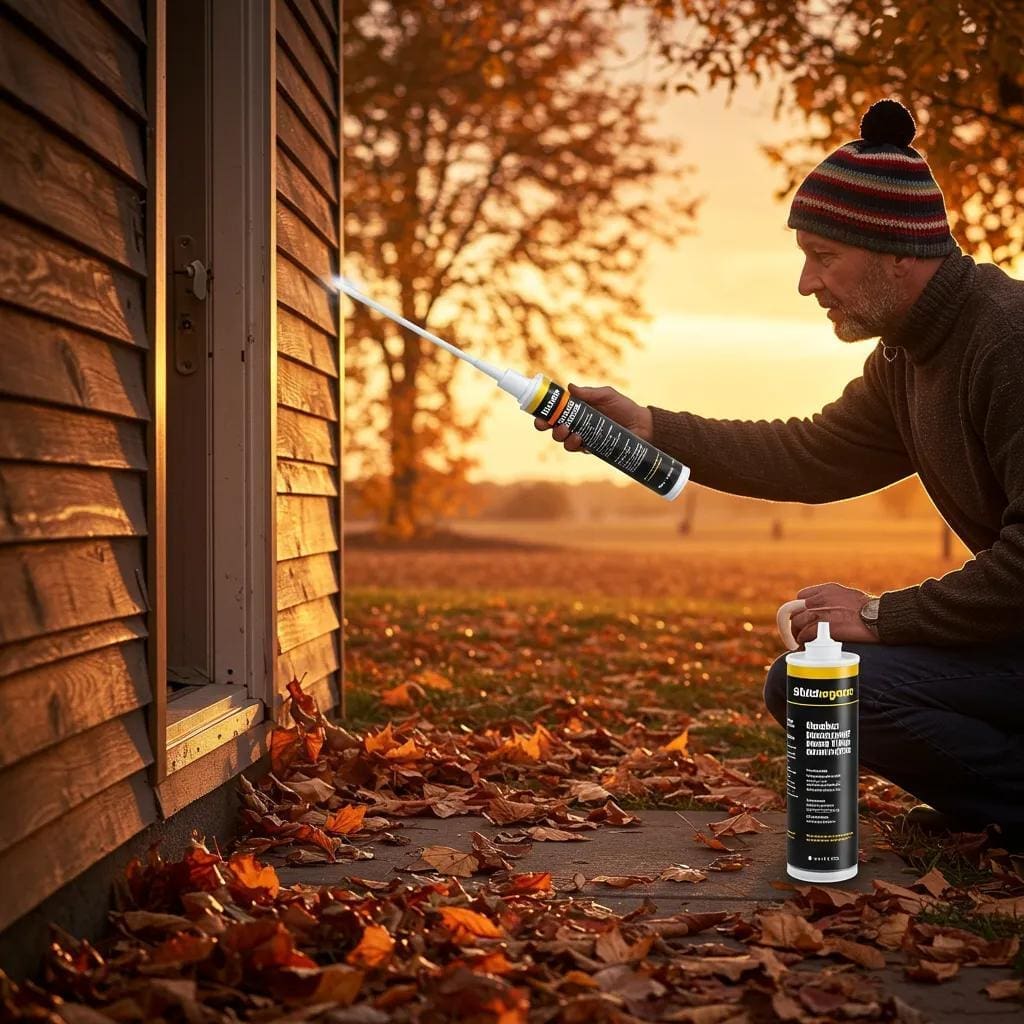
Autumn pest proofing involves sealing potential entry points and removing attractants before rodents and insects seek warmer shelter indoors. Installing weatherstripping on doors, caulking window frames, and covering air bricks with mesh can prevent cold-seeking intruders. Pest Dominion’s autumn exclusion service includes comprehensive property checks and the application of eco-friendly repellents to establish robust winter defences.
How Do Rodents Seek Shelter Indoors in Autumn and How to Stop Them?
As temperatures drop, rodents are drawn to the warmth of homes, often entering through small gaps near roofs and foundations. Sealing all openings larger than six millimetres, installing metal flashing around vents, and trimming back overhanging branches can eliminate common entry pathways. This exclusion strategy helps prevent them from establishing nests and reduces the likelihood of infestations.
What Are the Best Ways to Seal Home Entry Points in Autumn?
Using durable, silicone-based sealants around pipe penetrations and fitting draft-proof door sweeps under external doors can effectively close off access points. Reinforcing floor voids and repairing cracked brickwork can prevent insects and rodents from entering. Regular inspections and touch-ups are essential to maintain these barriers throughout the season.
How Can You Prevent Stink Bugs and Ladybirds from Invading Your Home?
Installing fine mesh screens over attic vents, caulking window frames, and fitting magnetic door seals on conservatory entrances can block common autumn invaders like stink bugs and ladybirds. Minimising indoor lighting near entry points and removing leaf litter from around foundations can also reduce their attraction to your home’s exterior.
What Are Safe Firewood Storage Practices to Avoid Pest Infestations?
Storing firewood at least thirty centimetres off the ground, covered on top but open on the sides, promotes airflow and discourages wood-boring insects. Rotating your stock and ensuring the woodpile does not touch the house wall can prevent rodents and beetles from transferring indoors.
Controlling and Preventing Pests During the UK Winter Season
Winter pest management involves a combination of inspection, sanitation, and residual treatments to control indoor pests and prevent reinfestations. Colder temperatures often drive pests like spiders and cockroaches into heated living spaces, where they can find essential water sources. Pest Dominion’s accredited technicians conduct thorough attic and basement checks, apply targeted residual barriers, and offer eco-friendly spray options to maintain a pest-secure home throughout winter.
Which Indoor Pests Are Most Common in Winter and How to Manage Them?
Cockroaches, spiders, and pantry moths often exploit the warmth and moisture found indoors during winter. Reducing humidity in basements, sealing food storage containers, and using non-toxic gel traps in dark corners can disrupt their life cycles. Regular vacuuming of corners and crevices helps remove eggs and food debris that sustain pest populations.
Why Are Attic and Basement Pest Checks Important in Winter?
Attics and basements can serve as entry points and sheltered habitats for rodents and insects seeking warmth. Conducting thorough inspections of insulation voids, pipe entries, and crawl spaces can identify early signs of nesting, droppings, and damage. Addressing these areas promptly can prevent pests from spreading into your main living areas.
When Should You Consider Professional Winter Pest Treatments?
Professional winter treatments are recommended when you notice multiple indoor pest sightings, when high-risk areas show clear evidence of activity, or when previous DIY exclusion efforts have proven unsuccessful. Our accredited services utilise eco-friendly residual sprays that remain effective even in cold weather, providing continuous protection until spring.
Year-Round Pest Prevention Tips for UK Homeowners
Year-round pest prevention involves a consistent approach to structural maintenance, sanitation, and landscaping to create an environment that is inhospitable to pests. Implementing integrated measures provides continuous defence and reduces the need for reactive treatments. The following table outlines the core prevention methods that support all seasonal strategies.
| Prevention Method | Key Action | Benefit |
|---|---|---|
| Seal Entry Points | Caulk gaps, install weatherstripping and mesh screens | Blocks entry for insects and rodents |
| Eliminate Standing Water | Clear gutters, drains, and plant saucers | Removes breeding sites for mosquitoes and flies |
| Maintain Cleanliness | Store food in sealed containers | Reduces attraction for cockroaches and rodents |
| Manage Landscaping and Storage | Trim shrubs, keep firewood off the ground | Limits harbourage and nesting sites |
How Does Sealing Entry Points Help Prevent Multiple Pest Types?
Sealing gaps around doors, windows, and utility penetrations effectively removes access routes for rodents, insects, and even larger wildlife. Using durable sealants and metal flashings creates physical barriers that not only enhance pest exclusion but also improve your home’s energy efficiency. A regular inspection schedule ensures these barriers remain effective over time.
Why Is Eliminating Standing Water Crucial for Pest Control?
Standing water attracts mosquitoes, flies, and other pests that rely on damp environments to lay their eggs. Promptly draining or treating water features with eco-friendly larvicides interrupts breeding cycles and significantly reduces insect populations around your property.
How Can Maintaining Cleanliness Reduce Pest Attraction?
Clearing food crumbs, storing perishables in sealed containers, and disposing of waste promptly removes the food sources that sustain pest populations. Regular deep cleaning of kitchen cupboards and waste areas also eliminates residual residues that might attract scavengers and foragers.
What Landscaping and Decluttering Practices Support Pest Prevention?
Pruning overgrown shrubs, keeping mulch layers thin, and positioning storage away from the house wall can reduce sheltered routes for pests to travel. Decluttering garages and attics prevents the accumulation of nesting materials, thereby limiting potential harborage zones.
When Should You Call a Professional for Seasonal Pest Control Services?
Turning to professional pest management ensures targeted, sustainable, and compliant solutions when home remedies are no longer effective. Accredited experts can identify hidden signs of infestation, apply eco-friendly treatments, and implement tailored exclusion services that support long-term prevention. Knowing when to request a survey or treatment can save you time, money, and stress.
What Are the Signs of a Pest Infestation Requiring Expert Help?
Visible droppings in cupboards, damaged insulation, chewed wiring, and persistent insect sightings despite DIY efforts are clear indicators of an established infestation. Discovering early nest formations, unusual odours, or scratching sounds within walls requires professional diagnosis and remediation.
How Does Pest Dominion’s Eco-Friendly and Tailored Approach Benefit You?
Pest Dominion combines BPCA-certified expertise with environmentally responsible treatments, utilising non-toxic baits and precise exclusion methods. Every service begins with a comprehensive survey to pinpoint the root cause of the problem, allowing us to develop customised programmes that protect both your property and the local ecosystem.
Which Professional Services Are Recommended for Seasonal Pest Prevention?
Our core services include cavity inspections, rodent proofing with one-way barriers, bird mesh installation, fox exclusion, and solar panel screening. Integrating these services at key seasonal intervals helps build resilient defences and streamlines ongoing property maintenance.
How Does BPCA Accreditation Ensure Quality Pest Control?
BPCA membership signifies adherence to rigorous training standards, health and safety regulations, and ethical practice guidelines. Accredited operators are committed to continuous professional development, assuring homeowners of expert, reliable, and responsible pest management services.
Maintaining a pest-free environment requires consistent attention to your home’s integrity, sanitation, and seasonal pest patterns. Implementing these strategies in partnership with an accredited provider builds robust defences and preserves your household’s well-being. For detailed surveys and eco-friendly exclusion services, contact Pest Dominion’s certified team to secure your home against pests, today and tomorrow.