Using Bird Gel for Control

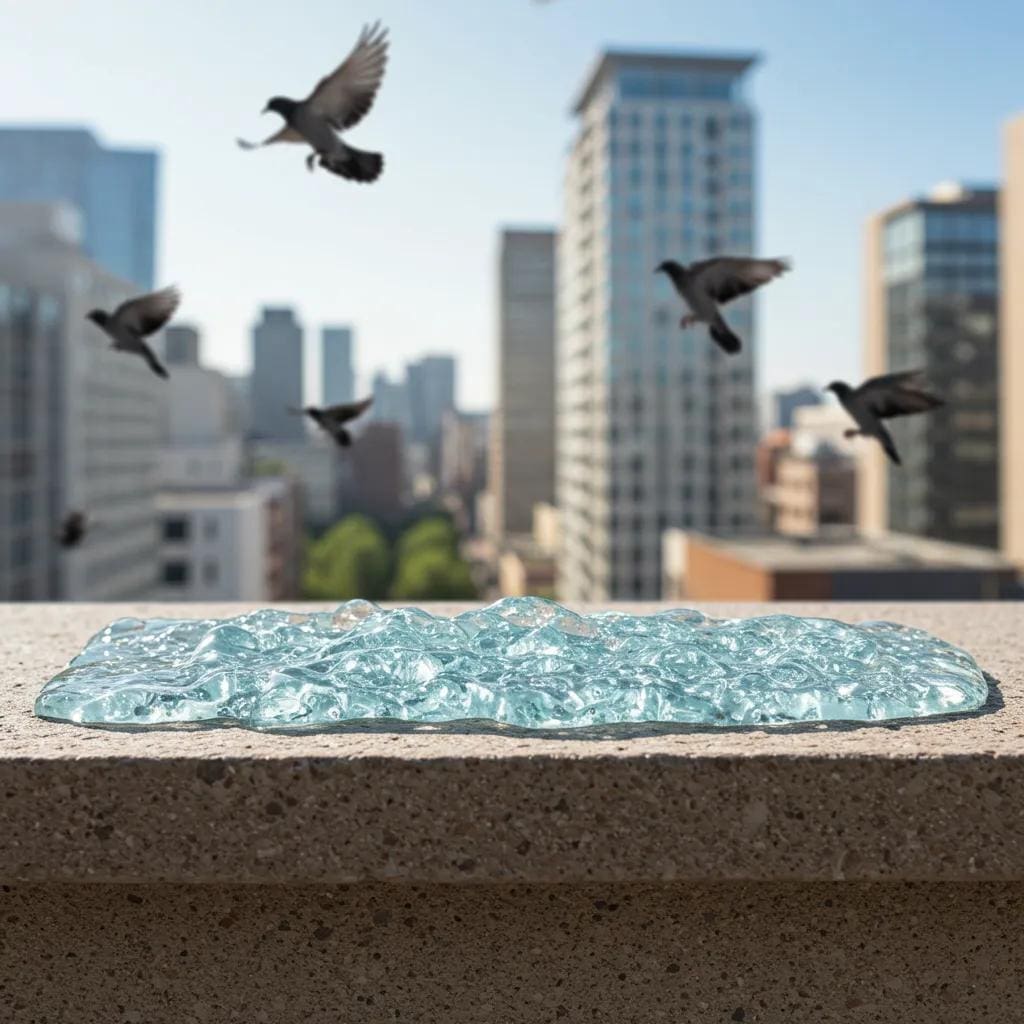
Bird repellent gel applied on a building ledge in an urban setting, demonstrating its effectiveness in bird control

Bird Gel for Control: Effective Bird Repellent Solutions in the UK

Properties across the UK, both urban and coastal, face thousands of pounds in annual losses due to damage and cleaning expenses from nesting and droppings left by pest birds. Bird gel offers a humane, non-toxic repellent that discourages pigeons, gulls, starlings, and sparrows from perching or roosting. This guide will explore what bird gel is, how its multi-sensory deterrence works, the best application methods, its key advantages, UK market gel types, expected performance, and where to find professional services in Maidenhead. By understanding its features, usage guidelines, and maintenance needs, property owners can implement a discreet barrier that lasts up to three years and adheres to humane pest control standards. Whether you’re a homeowner, commercial landlord, or facilities manager, this article provides comprehensive, actionable advice on bird repellent gel—from choosing the right product and application tools to cost-effectiveness and troubleshooting—ensuring clear guidance for successful bird control.

What Is Bird Gel and How Does It Deter Pest Birds?

Bird gel is a sticky, polymer-based repellent designed to make perches uncomfortable and visually unappealing to birds, thereby deterring them. It adheres to ledges, sills, and other landing spots, making it difficult for birds to grip. It also reflects UV light, creating a flickering effect that birds perceive as alarming. As a non-toxic barrier, it avoids lethal methods and reduces bird activity by disrupting their roosting habits. Understanding these fundamental functions sets the stage for examining its specific characteristics and the multi-sensory mechanisms that drive its effectiveness.

What Are the Key Features of Bird Repellent Gel?

Bird repellent gel combines formulation attributes that create an unwelcoming landing surface for pest species. Its non-toxic base ensures safety for wildlife and people, aligning with industry standards for humane control. The gel’s sticky texture clings to birds’ feet, causing discomfort when they try to land. UV-reflective additives generate a dynamic light pattern that wild birds interpret as flames, prompting them to avoid the area. Weather-resistant polymers ensure the gel stays adhered through rain and sun, prolonging its deterrent effect. These combined features create a lasting barrier without harmful residues. To understand how these elements translate into sensory deterrents, we can delve into each effect in more detail.

How Does Bird Gel Deter Birds Using Multi-Sensory Effects?

Bird gel uses visual, tactile, and olfactory cues to disrupt perching behaviour. Visually, its UV-reflective compounds emit a bright, flickering glow in natural light, mimicking fire and signalling danger. Tactilely, the gel’s sticky nature prevents secure footing and creates an uncomfortable sensation when birds attempt to land. Olfactory deterrents, such as peppermint or citronella oils, add a mild scent that birds instinctively dislike. By engaging multiple avian senses simultaneously, the gel establishes an area birds perceive as risky. These layered stimuli create a powerful deterrent that significantly reduces visits from pest birds.

Effectiveness of Chemical Repellents in Avian Management

Repellents encompass methods and devices employed to modify animal behaviour, thereby reducing damage or nuisance. Crucial to the design and efficacy of repellents is an understanding of how sensory modalities mediate signal perception, and how ecological context and sensory inputs influence animal learning. A repellent’s success is intrinsically linked to the principle of using the appropriate tool for the specific task. When repellents are perceived to ‘fail’, it is almost invariably due to wildlife managers not having appropriately matched the signal, the receiving systems, the message, and the context. Reconciling such considerations can be a complex undertaking. In this chapter, we review the components and processes essential for the successful application of repellents in managing avian populations at airports.

Effectiveness of chemical repellents in managing birds at airports, L Clark, 2013

Which Pest Bird Species Does Bird Gel Target?

Bird gel is specifically designed for common urban and coastal pest species that cause property damage and health risks. Pigeons frequently gather on ledges and rooftops, leaving corrosive droppings. Gulls often frequent seaside structures, nesting on flat surfaces and creating noise. Starlings form large roosts that can block gutters with nesting materials. House sparrows build nests in crevices, leading to fouling and potential disease spread. By targeting these species, bird gel protects walls, signage, gutters, and other vulnerable areas from persistent bird activity. The carefully formulated repellent gel ensures broad effectiveness against these nuisance birds.

What Surfaces Are Suitable for Bird Gel Application?

Bird gel adheres well to a variety of structural surfaces where birds commonly perch or nest. Typical application areas include window ledges, roof edges, and balcony railings, where narrow perching spots are often used. Commercial building facades, flat signs, and air conditioning units can also benefit from discreet gel lines. For residential properties, the gel can be applied to garden planters, fence tops, and conservatory roof frames. Suitable materials include painted wood, metal, PVC, stone, and brickwork, provided the surfaces are clean, dry, and free from loose paint or debris. Proper surface selection ensures optimal adhesion and long-lasting deterrent performance.

How to Apply Bird Gel Correctly for Maximum Effectiveness?
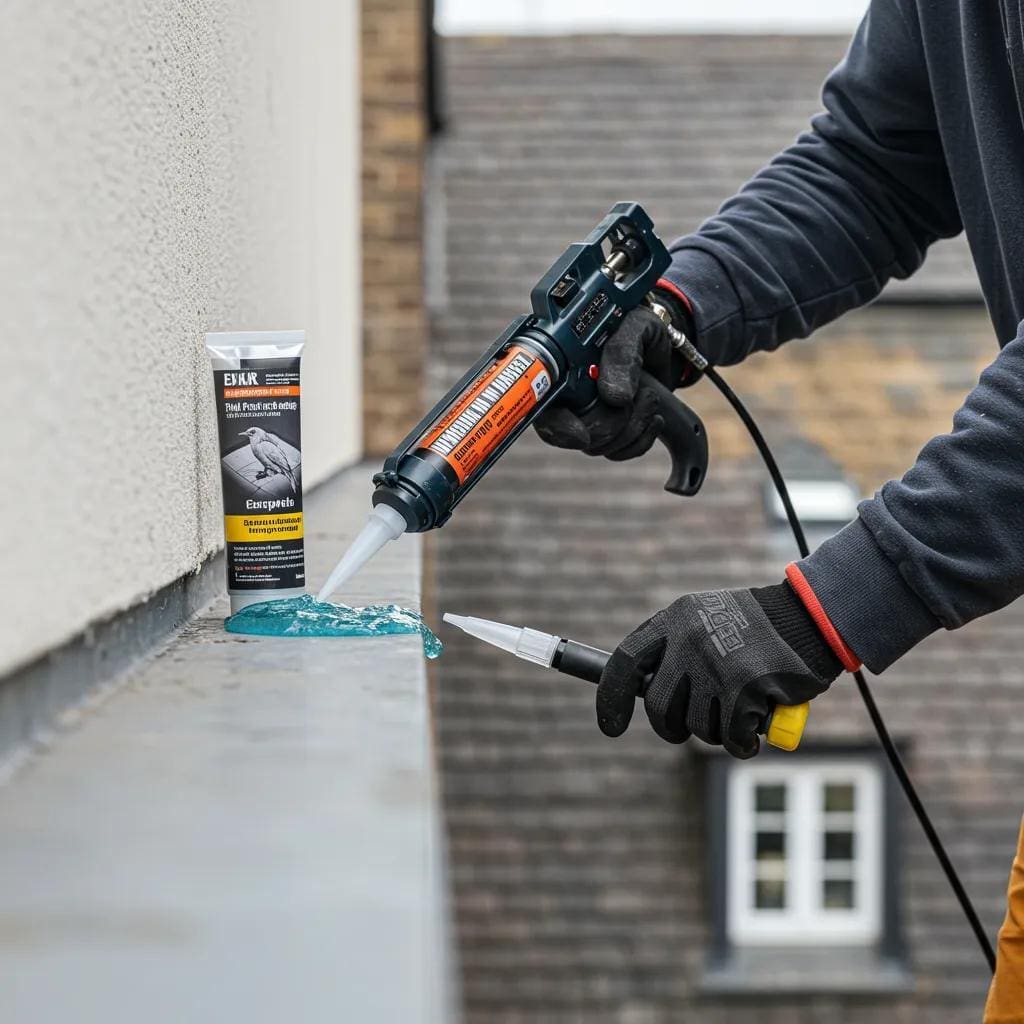
A technician applying bird repellent gel to a ledge using a caulking gun, demonstrating correct application techniques

Applying bird gel correctly involves assessing the site, preparing the surface, and placing the gel precisely to create an unbroken barrier. Professional installation ensures consistent coverage without gaps that birds might exploit. By following established procedures and using the right tools, property owners can achieve an immediate reduction in roosting and perching, laying the groundwork for long-term bird control.

What Are the Professional Steps for Applying Bird Gel?

Professional application begins with a thorough site assessment to identify all potential perching and nesting spots. Surfaces are then cleaned, dried, and sometimes sealed to remove any contaminants that could prevent the gel from adhering properly. Narrow ledges or protrusions are measured to determine the correct spacing for the gel beads, and a primer may be applied to porous surfaces. The gel is applied in continuous lines or dots, ensuring there are no uninterrupted landing areas. After the gel has set, technicians inspect the barrier and adjust bead size or coverage as necessary. Regular follow-up visits confirm ongoing effectiveness and address any new gaps.

What Tools and Methods Are Used to Apply Bird Gel?

Professional installers use specialised equipment and techniques to ensure the gel is applied evenly.

  • A caulking gun allows for precise, continuous beads of gel along narrow surfaces, ensuring accurate coverage of ledges.
  • Pre-filled gel dishes or trays are used on wider ledges, providing a consistent layer of repellent that requires minimal handling.
  • A soft-bristle brush can be used to apply thin gel films over textured or uneven surfaces, ensuring adhesion without excessive buildup.

How Often Should Bird Gel Be Maintained or Reapplied?

Bird gel typically remains effective for one to three years, depending on local weather conditions and wear. Maintenance inspections every six months are recommended to ensure the adhesion is still intact and that the gel hasn’t been eroded by rain or UV exposure. Areas with high traffic or strong winds might need annual touch-ups to reinforce the barrier. Reapplication is advised whenever a continuous landing surface reappears, ensuring uninterrupted deterrence. Regular servicing by trained technicians maximises the gel’s lifespan and preserves its multi-sensory repellent properties.

What Are the Benefits of Using Bird Gel for Pest Bird Control?
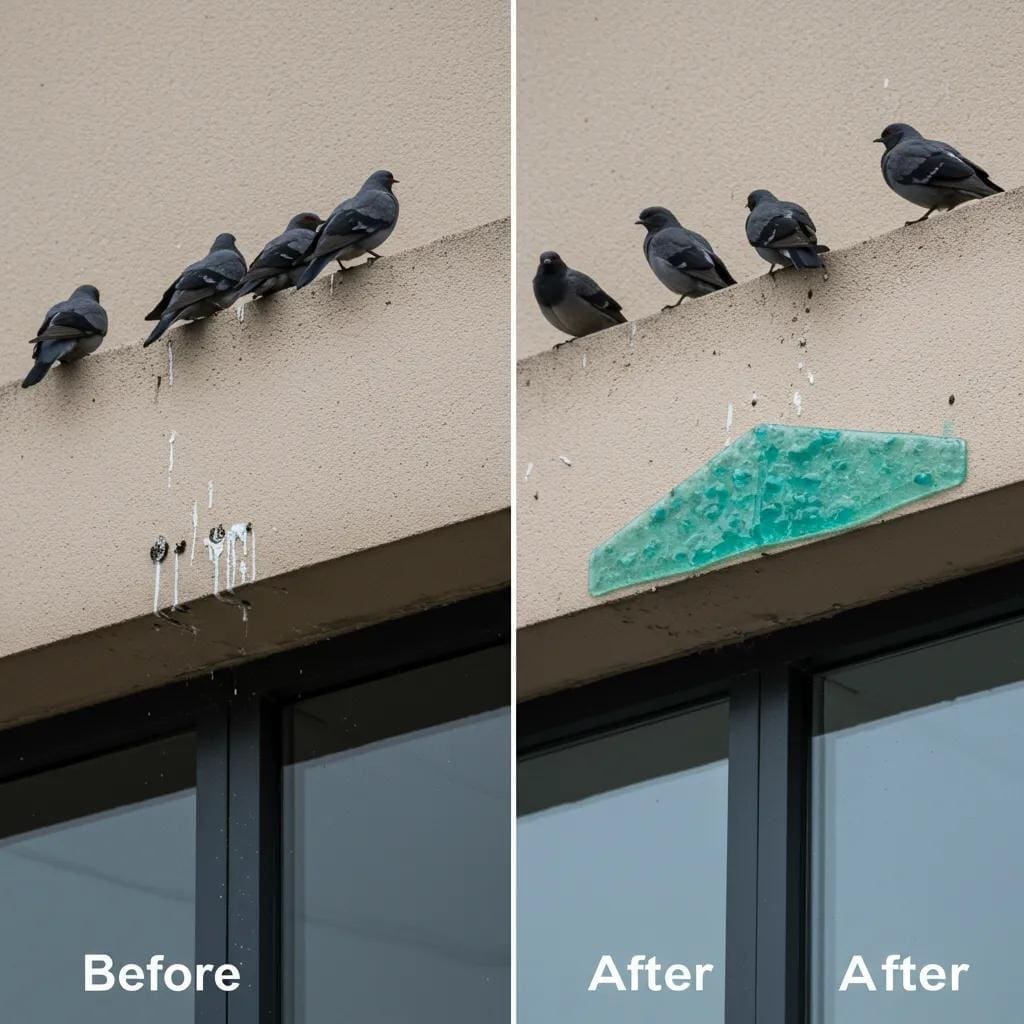
A comparison of a building before and after bird gel application, highlighting the advantages of effective bird control

Bird gel offers a range of advantages that align with modern pest control standards. Its non-lethal, low-profile nature supports humane treatment of wildlife while providing property owners with a discreet solution. Its long-lasting adhesion reduces maintenance costs and minimises disruption for commercial or residential sites. The gel’s ability to adapt to irregular surfaces and its effectiveness against a wide range of species make it a versatile deterrent that often outperforms traditional methods.

Why Is Bird Gel Considered a Humane and Non-Toxic Solution?

Bird gel formulations are free from heavy metals, pesticides, and toxins, ensuring they do not harm birds or other wildlife. When birds attempt to land on treated areas, they experience discomfort without injury, prompting them to move elsewhere voluntarily. The absence of lethal or harmful agents meets ethical guidelines set by wildlife organisations and industry bodies like the British Pest Control Association. Non-toxic gel also eliminates liability concerns for humans and pets, making it safe for use in occupied buildings and public areas.

How Does Bird Gel Provide Long-Lasting and Low-Profile Deterrence?

Before comparing gel to other methods, it’s helpful to visualise its enduring performance:

FeatureBenefitMechanism
Weather ResistanceMaintains adhesion in rain and sunUV stabilisers and polymer matrix
Low-Profile AppearanceMinimises visual impact on building designTransparent, colourless composition
Durable Polymer BaseExtends service intervals to multiple yearsResists erosion, peeling, and chemical breakdown

What Are the Advantages of Bird Gel Compared to Other Bird Deterrents?

Bird gel surpasses spikes, netting, and sonic devices in terms of flexibility and aesthetics. Spikes can be visually unappealing and require rigid mounting. Netting often needs custom frames and can obstruct views or access. Sonic devices rely on sound frequencies that may lose effectiveness over distance or disturb building occupants. In contrast, repellent gel conforms to almost any surface, operates silently, and remains virtually invisible once applied. Its multi-sensory action addresses both sight and touch, creating a more comprehensive deterrent.

Chemical Repellents for Avian Management in Airport Environments

Repellents encompass methods and devices employed to modify animal behaviour, thereby mitigating damage or nuisance. Crucial to the design and efficacy of repellents is an understanding of how sensory modalities mediate signal perception, and how ecological context and sensory inputs influence animal learning. The success of a repellent is intrinsically linked to the principle of using the appropriate tool for the specific task. When repellents are perceived to ‘fail’, it is almost invariably due to wildlife managers failing to appropriately align the signal, the receiving systems, the message, and the context. Reconciling these considerations can be a complex undertaking. In this chapter, we review the components and processes essential for the successful application of repellents in managing avian populations at airports.

Wildlife in Airport Environments: Chapter 3 Effectiveness of Chemical Repellents in Managing Birds at Airports, L Clark, 2013

What Types of Bird Deterrent Gels Are Available in the UK Market?

The UK market offers a variety of gel formulations suited to different site needs and target species. Options include UV-active “optical” gels, oil-infused blends, and basic polymer-only formulations. The choice depends on aesthetic preferences, surface type, and exposure to weather. Reviewing the differences among available gels ensures the best match for each application environment.

What Are the Differences Between Optical Bird Gel and Traditional Bird Gel?

A direct comparison clarifies when to choose each type:

Gel TypeCompositionVisual EffectApplication Method
Optical GelUV-reflective polymer with photoluminescent additivesFlickering “fire” effect under lightPre-filled dishes or brush-on
Traditional GelPolybutene base with natural oils and resinsSticky barrier without glowCaulking gun or tube dispensing

Which Bird Gel Brands and Formulations Are Recommended?

Several UK suppliers offer proven repellent gels:

  • “Fire Gel” variants combine UV-reflective polymers for a striking visual deterrent.
  • Peppermint-oil formulations enhance tactile stickiness with a scent birds dislike.
  • Citronella-infused gels add an extra olfactory barrier to discourage nesting.

Choosing a reputable brand with clear usage instructions and UK-based technical support ensures consistent performance and compliance with local regulations.

How to Choose the Best Bird Repellent Gel for Your Needs?

Selecting the optimal gel involves evaluating key factors:

  1. Target species and their sensitivity to visual or scent cues.
  2. Surface material and its exposure to elements like rain or direct sunlight.
  3. Aesthetic considerations for the building’s appearance and the visibility of the barrier.
  4. Preferences for maintenance intervals and expected service life.
  5. Budget for DIY application versus professional installation.

Matching the gel’s properties to these factors ensures a customised deterrent solution that maximises value and effectiveness.

How Effective Is Bird Gel for Controlling Pest Birds?

The success of bird gel as a deterrent depends on selecting the right formula, the quality of application, and environmental conditions. Field studies indicate activity reductions ranging from 70% to 95% when gel lines remain intact and well-maintained. Understanding typical performance metrics and influencing factors helps set realistic expectations and informs maintenance planning.

What Does Research Say About Bird Gel’s Deterrent Success?

Controlled trials and observational studies show that bird gel can reduce perching incidents by up to 95% on treated surfaces. Effectiveness is highest immediately after installation as birds learn to avoid treated areas. Limitations can arise if gaps allow birds to land or if alternative roosting sites are readily available nearby. These findings underscore the importance of comprehensive coverage and ongoing inspections to maintain the deterrent’s integrity.

How Long Does Bird Gel Remain Effective After Application?

When professionally installed on clean, prepared surfaces, bird gel can remain effective for one to three years. Exposure to intense UV light, heavy rainfall, or physical abrasion can gradually degrade the polymer bonds, requiring touch-up applications. Product data sheets typically specify the expected lifespan under normal UK climate conditions, allowing property managers to plan maintenance schedules and budget for reapplication.

What Factors Influence Bird Gel’s Performance?

Several variables affect the long-term effectiveness of bird gel:

  • The quality of surface preparation, including cleaning and priming.
  • Local weather patterns, such as frequent rain or prolonged sun exposure.
  • The precision of application, ensuring no gaps or thin areas.
  • The adaptability of target species and the availability of alternative roosting sites.
  • The gel formulation and the presence of additional deterrent oils or UV additives.

Recognising these factors allows for proactive adjustments in gel selection and maintenance frequency.

Where Can You Buy Bird Deterrent Gel in the UK?

High-quality bird gel is available through specialist distributors, building supply merchants, and professional pest control services. DIY retailers offer tubes and dishes for smaller projects, while certified installers provide comprehensive solutions including assessment, application, and ongoing support. Comparing these options helps property owners secure reliable products and expert advice.

What Are Trusted Suppliers and Retailers for Bird Gel Products?

Reputable sources for bird gel include pest control wholesalers, specialist avian deterrent suppliers, and commercial-grade catalogues. Building trade merchants often stock traditional and optical gel tubes. Online distributors provide quick delivery of branded gel dishes and caulking cartridges. Engaging a certified pest control company guarantees the correct product selection and adherence to industry standards.

How to Assess Bird Gel Costs and Value for Money?

Prices for DIY bird gel pots typically range from £15 to £40 for a 200 ml container, with optical formulations being at the higher end. Professional installation costs start around £150 for a small residential property and increase with the complexity of the ledge layouts. Value considerations include product lifespan, warranty options, and post-installation support. Factoring in reduced maintenance calls and property damage costs often demonstrates overall savings.

Are There Local Bird Gel Services Available in Maidenhead?

In Maidenhead, Pest Dominion offers dedicated bird control services, including on-site assessments, customised gel selection, and expert application. Our technicians follow industry best practices for surface preparation and ongoing maintenance, ensuring maximum deterrent performance. Local availability ensures a prompt response and periodic inspections to supplement DIY efforts or support full installation projects.

What Are the Most Common Questions About Using Bird Gel for Control?

Understanding common concerns helps property owners implement bird gel effectively and troubleshoot any issues. Addressing safety, application techniques, surface compatibility, and contingency plans ensures confident use and reliable results.

Is Bird Repellent Gel Safe and Humane for Birds?

Bird gel is formulated without toxins or corrosive agents, deterring perching through mild discomfort rather than injury. Formulations meet ethical standards set by wildlife authorities, and birds simply avoid treated areas without harm. This humane approach aligns with conservation guidelines and minimises the risk of unintended harm to wildlife.

How Do You Apply Bird Gel Without Harming Birds or Property?

Apply gel in thin, continuous beads along intended perches to prevent birds from landing, while avoiding excessive buildup that could drip or smear. Surfaces must be level and cleaned to prevent gel displacement. Following manufacturer spacing recommendations ensures a safe barrier that does not trap or injure small birds or damage building materials.

Can Bird Gel Be Used on All Building Types and Surfaces?

Repellent gel adheres to most exterior materials, including metal, brick, painted wood, and PVC. Extremely porous stone or heavily weathered wood may require a primer or sealant before application. Gel may not adhere well to loose gravel or highly irregular surfaces, where netting or spikes might be more suitable. Assessing substrate compatibility ensures the gel remains in place and effective.

What Should You Do If Bird Gel Does Not Work as Expected?

If bird activity continues, first check for gaps or degraded gel sections and apply touch-up beads where needed. Ensure there are no nearby untreated roosting spots attracting birds. Switching to an optical formulation or using gel enhanced with scents can help deter species less sensitive to stickiness alone. A professional reassessment by a pest control expert can identify overlooked perching points and recommend additional deterrent measures.

Bird gel provides a discreet, humane, and long-lasting solution for managing pest birds on a wide range of surfaces. Its multi-sensory deterrent action and adaptable application methods make it superior to spikes, netting, and sonic devices in many situations. By choosing the right formulation, following professional application guidelines, and scheduling regular maintenance, property owners across the UK, including those in Maidenhead, can achieve up to three years of reliable bird control. For a personalised assessment and expert installation, Pest Dominion’s local bird control team offers comprehensive services to ensure lasting protection and peace of mind.

Bird repellent gel applied on a building ledge in an urban setting, demonstrating its effectiveness in bird control

Bird Gel for Control: Effective Bird Repellent Solutions in the UK

Properties across the UK, both urban and coastal, face thousands of pounds in annual losses due to damage and cleaning expenses from nesting and droppings left by pest birds. Bird gel offers a humane, non-toxic repellent that discourages pigeons, gulls, starlings, and sparrows from perching or roosting. This guide will explore what bird gel is, how its multi-sensory deterrence works, the best application methods, its key advantages, UK market gel types, expected performance, and where to find professional services in Maidenhead. By understanding its features, usage guidelines, and maintenance needs, property owners can implement a discreet barrier that lasts up to three years and adheres to humane pest control standards. Whether you’re a homeowner, commercial landlord, or facilities manager, this article provides comprehensive, actionable advice on bird repellent gel—from choosing the right product and application tools to cost-effectiveness and troubleshooting—ensuring clear guidance for successful bird control.

What Is Bird Gel and How Does It Deter Pest Birds?

Bird gel is a sticky, polymer-based repellent designed to make perches uncomfortable and visually unappealing to birds, thereby deterring them. It adheres to ledges, sills, and other landing spots, making it difficult for birds to grip. It also reflects UV light, creating a flickering effect that birds perceive as alarming. As a non-toxic barrier, it avoids lethal methods and reduces bird activity by disrupting their roosting habits. Understanding these fundamental functions sets the stage for examining its specific characteristics and the multi-sensory mechanisms that drive its effectiveness.

What Are the Key Features of Bird Repellent Gel?

Bird repellent gel combines formulation attributes that create an unwelcoming landing surface for pest species. Its non-toxic base ensures safety for wildlife and people, aligning with industry standards for humane control. The gel’s sticky texture clings to birds’ feet, causing discomfort when they try to land. UV-reflective additives generate a dynamic light pattern that wild birds interpret as flames, prompting them to avoid the area. Weather-resistant polymers ensure the gel stays adhered through rain and sun, prolonging its deterrent effect. These combined features create a lasting barrier without harmful residues. To understand how these elements translate into sensory deterrents, we can delve into each effect in more detail.

How Does Bird Gel Deter Birds Using Multi-Sensory Effects?

Bird gel uses visual, tactile, and olfactory cues to disrupt perching behaviour. Visually, its UV-reflective compounds emit a bright, flickering glow in natural light, mimicking fire and signalling danger. Tactilely, the gel’s sticky nature prevents secure footing and creates an uncomfortable sensation when birds attempt to land. Olfactory deterrents, such as peppermint or citronella oils, add a mild scent that birds instinctively dislike. By engaging multiple avian senses simultaneously, the gel establishes an area birds perceive as risky. These layered stimuli create a powerful deterrent that significantly reduces visits from pest birds.

Effectiveness of Chemical Repellents in Avian Management

Repellents encompass methods and devices employed to modify animal behaviour, thereby reducing damage or nuisance. Crucial to the design and efficacy of repellents is an understanding of how sensory modalities mediate signal perception, and how ecological context and sensory inputs influence animal learning. A repellent’s success is intrinsically linked to the principle of using the appropriate tool for the specific task. When repellents are perceived to ‘fail’, it is almost invariably due to wildlife managers not having appropriately matched the signal, the receiving systems, the message, and the context. Reconciling such considerations can be a complex undertaking. In this chapter, we review the components and processes essential for the successful application of repellents in managing avian populations at airports.

Effectiveness of chemical repellents in managing birds at airports, L Clark, 2013

Which Pest Bird Species Does Bird Gel Target?

Bird gel is specifically designed for common urban and coastal pest species that cause property damage and health risks. Pigeons frequently gather on ledges and rooftops, leaving corrosive droppings. Gulls often frequent seaside structures, nesting on flat surfaces and creating noise. Starlings form large roosts that can block gutters with nesting materials. House sparrows build nests in crevices, leading to fouling and potential disease spread. By targeting these species, bird gel protects walls, signage, gutters, and other vulnerable areas from persistent bird activity. The carefully formulated repellent gel ensures broad effectiveness against these nuisance birds.

What Surfaces Are Suitable for Bird Gel Application?

Bird gel adheres well to a variety of structural surfaces where birds commonly perch or nest. Typical application areas include window ledges, roof edges, and balcony railings, where narrow perching spots are often used. Commercial building facades, flat signs, and air conditioning units can also benefit from discreet gel lines. For residential properties, the gel can be applied to garden planters, fence tops, and conservatory roof frames. Suitable materials include painted wood, metal, PVC, stone, and brickwork, provided the surfaces are clean, dry, and free from loose paint or debris. Proper surface selection ensures optimal adhesion and long-lasting deterrent performance.

How to Apply Bird Gel Correctly for Maximum Effectiveness?

A technician applying bird repellent gel to a ledge using a caulking gun, demonstrating correct application techniques

Applying bird gel correctly involves assessing the site, preparing the surface, and placing the gel precisely to create an unbroken barrier. Professional installation ensures consistent coverage without gaps that birds might exploit. By following established procedures and using the right tools, property owners can achieve an immediate reduction in roosting and perching, laying the groundwork for long-term bird control.

What Are the Professional Steps for Applying Bird Gel?

Professional application begins with a thorough site assessment to identify all potential perching and nesting spots. Surfaces are then cleaned, dried, and sometimes sealed to remove any contaminants that could prevent the gel from adhering properly. Narrow ledges or protrusions are measured to determine the correct spacing for the gel beads, and a primer may be applied to porous surfaces. The gel is applied in continuous lines or dots, ensuring there are no uninterrupted landing areas. After the gel has set, technicians inspect the barrier and adjust bead size or coverage as necessary. Regular follow-up visits confirm ongoing effectiveness and address any new gaps.

What Tools and Methods Are Used to Apply Bird Gel?

Professional installers use specialised equipment and techniques to ensure the gel is applied evenly.

  • A caulking gun allows for precise, continuous beads of gel along narrow surfaces, ensuring accurate coverage of ledges.
  • Pre-filled gel dishes or trays are used on wider ledges, providing a consistent layer of repellent that requires minimal handling.
  • A soft-bristle brush can be used to apply thin gel films over textured or uneven surfaces, ensuring adhesion without excessive buildup.

How Often Should Bird Gel Be Maintained or Reapplied?

Bird gel typically remains effective for one to three years, depending on local weather conditions and wear. Maintenance inspections every six months are recommended to ensure the adhesion is still intact and that the gel hasn’t been eroded by rain or UV exposure. Areas with high traffic or strong winds might need annual touch-ups to reinforce the barrier. Reapplication is advised whenever a continuous landing surface reappears, ensuring uninterrupted deterrence. Regular servicing by trained technicians maximises the gel’s lifespan and preserves its multi-sensory repellent properties.

What Are the Benefits of Using Bird Gel for Pest Bird Control?

A comparison of a building before and after bird gel application, highlighting the advantages of effective bird control

Bird gel offers a range of advantages that align with modern pest control standards. Its non-lethal, low-profile nature supports humane treatment of wildlife while providing property owners with a discreet solution. Its long-lasting adhesion reduces maintenance costs and minimises disruption for commercial or residential sites. The gel’s ability to adapt to irregular surfaces and its effectiveness against a wide range of species make it a versatile deterrent that often outperforms traditional methods.

Why Is Bird Gel Considered a Humane and Non-Toxic Solution?

Bird gel formulations are free from heavy metals, pesticides, and toxins, ensuring they do not harm birds or other wildlife. When birds attempt to land on treated areas, they experience discomfort without injury, prompting them to move elsewhere voluntarily. The absence of lethal or harmful agents meets ethical guidelines set by wildlife organisations and industry bodies like the British Pest Control Association. Non-toxic gel also eliminates liability concerns for humans and pets, making it safe for use in occupied buildings and public areas.

How Does Bird Gel Provide Long-Lasting and Low-Profile Deterrence?

Before comparing gel to other methods, it’s helpful to visualise its enduring performance:

FeatureBenefitMechanism
Weather ResistanceMaintains adhesion in rain and sunUV stabilisers and polymer matrix
Low-Profile AppearanceMinimises visual impact on building designTransparent, colourless composition
Durable Polymer BaseExtends service intervals to multiple yearsResists erosion, peeling, and chemical breakdown

What Are the Advantages of Bird Gel Compared to Other Bird Deterrents?

Bird gel surpasses spikes, netting, and sonic devices in terms of flexibility and aesthetics. Spikes can be visually unappealing and require rigid mounting. Netting often needs custom frames and can obstruct views or access. Sonic devices rely on sound frequencies that may lose effectiveness over distance or disturb building occupants. In contrast, repellent gel conforms to almost any surface, operates silently, and remains virtually invisible once applied. Its multi-sensory action addresses both sight and touch, creating a more comprehensive deterrent.

Chemical Repellents for Avian Management in Airport Environments

Repellents encompass methods and devices employed to modify animal behaviour, thereby mitigating damage or nuisance. Crucial to the design and efficacy of repellents is an understanding of how sensory modalities mediate signal perception, and how ecological context and sensory inputs influence animal learning. The success of a repellent is intrinsically linked to the principle of using the appropriate tool for the specific task. When repellents are perceived to ‘fail’, it is almost invariably due to wildlife managers failing to appropriately align the signal, the receiving systems, the message, and the context. Reconciling these considerations can be a complex undertaking. In this chapter, we review the components and processes essential for the successful application of repellents in managing avian populations at airports.

Wildlife in Airport Environments: Chapter 3 Effectiveness of Chemical Repellents in Managing Birds at Airports, L Clark, 2013

What Types of Bird Deterrent Gels Are Available in the UK Market?

The UK market offers a variety of gel formulations suited to different site needs and target species. Options include UV-active “optical” gels, oil-infused blends, and basic polymer-only formulations. The choice depends on aesthetic preferences, surface type, and exposure to weather. Reviewing the differences among available gels ensures the best match for each application environment.

What Are the Differences Between Optical Bird Gel and Traditional Bird Gel?

A direct comparison clarifies when to choose each type:

Gel TypeCompositionVisual EffectApplication Method
Optical GelUV-reflective polymer with photoluminescent additivesFlickering “fire” effect under lightPre-filled dishes or brush-on
Traditional GelPolybutene base with natural oils and resinsSticky barrier without glowCaulking gun or tube dispensing

Which Bird Gel Brands and Formulations Are Recommended?

Several UK suppliers offer proven repellent gels:

  • “Fire Gel” variants combine UV-reflective polymers for a striking visual deterrent.
  • Peppermint-oil formulations enhance tactile stickiness with a scent birds dislike.
  • Citronella-infused gels add an extra olfactory barrier to discourage nesting.

Choosing a reputable brand with clear usage instructions and UK-based technical support ensures consistent performance and compliance with local regulations.

How to Choose the Best Bird Repellent Gel for Your Needs?

Selecting the optimal gel involves evaluating key factors:

  1. Target species and their sensitivity to visual or scent cues.
  2. Surface material and its exposure to elements like rain or direct sunlight.
  3. Aesthetic considerations for the building’s appearance and the visibility of the barrier.
  4. Preferences for maintenance intervals and expected service life.
  5. Budget for DIY application versus professional installation.

Matching the gel’s properties to these factors ensures a customised deterrent solution that maximises value and effectiveness.

How Effective Is Bird Gel for Controlling Pest Birds?

The success of bird gel as a deterrent depends on selecting the right formula, the quality of application, and environmental conditions. Field studies indicate activity reductions ranging from 70% to 95% when gel lines remain intact and well-maintained. Understanding typical performance metrics and influencing factors helps set realistic expectations and informs maintenance planning.

What Does Research Say About Bird Gel’s Deterrent Success?

Controlled trials and observational studies show that bird gel can reduce perching incidents by up to 95% on treated surfaces. Effectiveness is highest immediately after installation as birds learn to avoid treated areas. Limitations can arise if gaps allow birds to land or if alternative roosting sites are readily available nearby. These findings underscore the importance of comprehensive coverage and ongoing inspections to maintain the deterrent’s integrity.

How Long Does Bird Gel Remain Effective After Application?

When professionally installed on clean, prepared surfaces, bird gel can remain effective for one to three years. Exposure to intense UV light, heavy rainfall, or physical abrasion can gradually degrade the polymer bonds, requiring touch-up applications. Product data sheets typically specify the expected lifespan under normal UK climate conditions, allowing property managers to plan maintenance schedules and budget for reapplication.

What Factors Influence Bird Gel’s Performance?

Several variables affect the long-term effectiveness of bird gel:

  • The quality of surface preparation, including cleaning and priming.
  • Local weather patterns, such as frequent rain or prolonged sun exposure.
  • The precision of application, ensuring no gaps or thin areas.
  • The adaptability of target species and the availability of alternative roosting sites.
  • The gel formulation and the presence of additional deterrent oils or UV additives.

Recognising these factors allows for proactive adjustments in gel selection and maintenance frequency.

Where Can You Buy Bird Deterrent Gel in the UK?

High-quality bird gel is available through specialist distributors, building supply merchants, and professional pest control services. DIY retailers offer tubes and dishes for smaller projects, while certified installers provide comprehensive solutions including assessment, application, and ongoing support. Comparing these options helps property owners secure reliable products and expert advice.

What Are Trusted Suppliers and Retailers for Bird Gel Products?

Reputable sources for bird gel include pest control wholesalers, specialist avian deterrent suppliers, and commercial-grade catalogues. Building trade merchants often stock traditional and optical gel tubes. Online distributors provide quick delivery of branded gel dishes and caulking cartridges. Engaging a certified pest control company guarantees the correct product selection and adherence to industry standards.

How to Assess Bird Gel Costs and Value for Money?

Prices for DIY bird gel pots typically range from £15 to £40 for a 200 ml container, with optical formulations being at the higher end. Professional installation costs start around £150 for a small residential property and increase with the complexity of the ledge layouts. Value considerations include product lifespan, warranty options, and post-installation support. Factoring in reduced maintenance calls and property damage costs often demonstrates overall savings.

Are There Local Bird Gel Services Available in Maidenhead?

In Maidenhead, Pest Dominion offers dedicated bird control services, including on-site assessments, customised gel selection, and expert application. Our technicians follow industry best practices for surface preparation and ongoing maintenance, ensuring maximum deterrent performance. Local availability ensures a prompt response and periodic inspections to supplement DIY efforts or support full installation projects.

What Are the Most Common Questions About Using Bird Gel for Control?

Understanding common concerns helps property owners implement bird gel effectively and troubleshoot any issues. Addressing safety, application techniques, surface compatibility, and contingency plans ensures confident use and reliable results.

Is Bird Repellent Gel Safe and Humane for Birds?

Bird gel is formulated without toxins or corrosive agents, deterring perching through mild discomfort rather than injury. Formulations meet ethical standards set by wildlife authorities, and birds simply avoid treated areas without harm. This humane approach aligns with conservation guidelines and minimises the risk of unintended harm to wildlife.

How Do You Apply Bird Gel Without Harming Birds or Property?

Apply gel in thin, continuous beads along intended perches to prevent birds from landing, while avoiding excessive buildup that could drip or smear. Surfaces must be level and cleaned to prevent gel displacement. Following manufacturer spacing recommendations ensures a safe barrier that does not trap or injure small birds or damage building materials.

Can Bird Gel Be Used on All Building Types and Surfaces?

Repellent gel adheres to most exterior materials, including metal, brick, painted wood, and PVC. Extremely porous stone or heavily weathered wood may require a primer or sealant before application. Gel may not adhere well to loose gravel or highly irregular surfaces, where netting or spikes might be more suitable. Assessing substrate compatibility ensures the gel remains in place and effective.

What Should You Do If Bird Gel Does Not Work as Expected?

If bird activity continues, first check for gaps or degraded gel sections and apply touch-up beads where needed. Ensure there are no nearby untreated roosting spots attracting birds. Switching to an optical formulation or using gel enhanced with scents can help deter species less sensitive to stickiness alone. A professional reassessment by a pest control expert can identify overlooked perching points and recommend additional deterrent measures.

Bird gel provides a discreet, humane, and long-lasting solution for managing pest birds on a wide range of surfaces. Its multi-sensory deterrent action and adaptable application methods make it superior to spikes, netting, and sonic devices in many situations. By choosing the right formulation, following professional application guidelines, and scheduling regular maintenance, property owners across the UK, including those in Maidenhead, can achieve up to three years of reliable bird control. For a personalised assessment and expert installation, Pest Dominion’s local bird control team offers comprehensive services to ensure lasting protection and peace of mind.