Wasps Hornets Control Category

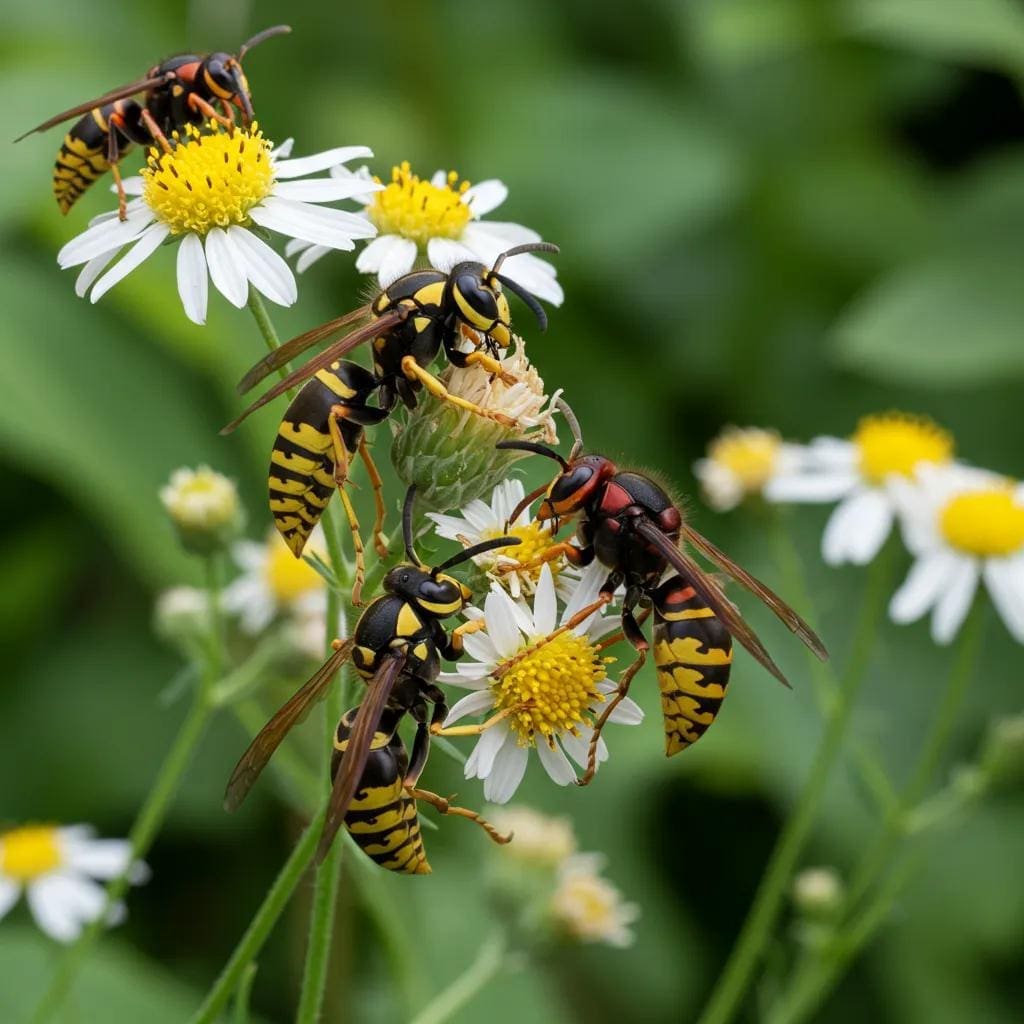
Close-up of a wasp and hornet in a garden, showcasing their distinct features and colors

Expert Wasp & Hornet Nest Removal: Identification, Prevention, and Safe Extermination

Wasps and hornets can quickly turn a tranquil garden into a hazardous area if left unchecked. An active nest presents risks of painful stings, severe allergic reactions, and potential property damage. However, effective wasp and hornet control strategies can restore safety and peace of mind without causing unnecessary harm. This comprehensive guide will equip you with the knowledge to identify the key differences between these insects, understand their nesting behaviours, implement proven removal techniques, establish preventive measures, and adhere to crucial safety precautions. We’ll also cover early detection tips and eco-friendly considerations to ensure your property remains protected while preserving the delicate balance of our local pollinators. Whether you’re dealing with a small wasp nest or a formidable hornet colony, this article provides actionable insights and clarifies when it’s time to call in specialist pest control services.

Understanding Wasps and Hornets: Key Differences and Identification

Wasps and hornets are predatory insects belonging to the Vespidae family, distinguished by their size, coloration, and nesting habits. Accurately identifying these differences is fundamental to successful wasp nest removal and effective hornet control. Wasps typically feature slender bodies with vibrant yellow and black banding, while hornets are generally larger, possessing a more robust thorax and subtler markings. Precise identification minimises the risk of misapplying control methods and significantly enhances safety outcomes.

How to Visually Distinguish Wasps from Hornets

Wasps are characterised by their narrow waists, long legs, and glossy wings that fold lengthwise. Hornets, conversely, exhibit thicker abdomens and broader heads. Observing their flight patterns can also be a helpful indicator: paper wasps often hover with a slow wingbeat, whereas hornets tend to accelerate in short, decisive bursts. Noting these visual cues during daylight hours provides immediate confirmation of the species you are encountering, which directly informs the most appropriate removal approach.

Common Wasp and Hornet Species Found Near Homes

Several species frequently establish nests in or around residential properties, each presenting unique challenges for hornet and wasp control:

SpeciesNest TypePotential Hazard Level
Common WaspTypically found in underground voidsModerate sting risk
German WaspOften colonises roof spacesHigh frequency of stings
European HornetMay build nests within wall cavitiesPotentially powerful sting
Tree WaspConstructs a papery envelope nestCan cause moderate disruption
Oriental HornetExcavates nests in soilKnown for aggressive defence

This overview helps you anticipate potential nesting sites and associated hazard levels, guiding both DIY efforts and decisions regarding professional consultation.

Why Accurate Identification is Crucial for Effective Control

Correctly identifying the species is paramount to selecting the safest removal technique and the most effective treatment product. Mistaking a hornet for a smaller wasp could lead to an under-prepared response and potentially severe stings. Understanding the specific biology of each insect also allows for a more targeted approach to colony structure, maximising the impact of nest removal while minimising environmental disruption and safeguarding non-target pollinators.

Ecological Impact and Management of Invasive Vespidae Worldwide

This review assesses the distribution, abundance, impact, and management of invasive Vespidae globally. We identified 34 vespid species known to have been introduced worldwide, but the seven most invasive species are all eusocial. Most introduced Vespidae are found in only one or two countries, but some areas have become geographic hotspots for invasion: Hawaii (15 species), North America (eight species), New Zealand (five species), Australia (four species), and South America (four species). Two invasive species, *Vespula vulgaris* and *V. germanica*, have become particularly widespread and abundant, with a range of impacts on biodiversity and ecosystem function. Other successful invasive species include several *Polistes* spp., which affect local biodiversity through direct predation or competition for food or space. Toxic baiting has been the most successful control strategy against invasive vespids to date, although this has mostly been small-scale experimental management as it has proved difficult to develop commercial control products. The development of shelf-stable lures or baits combined with suitable toxins or pathogens could overcome some of the commercial impediments. Several attempts at biological control using parasitoids have not successfully reduced invasive wasp populations, although the biocontrol agent has only established in one case. The social structure of colonies and their high reproductive efficiency have facilitated the invasion by these species, but it also means management at the population level will be difficult. This emphasises the need to prevent such invasions from occurring in the first place.

Ecological effects and management of invasive alien Vespidae, JR Beggs, 2011

How Wasps and Hornets Construct Nests: Understanding Their Habits and Locations
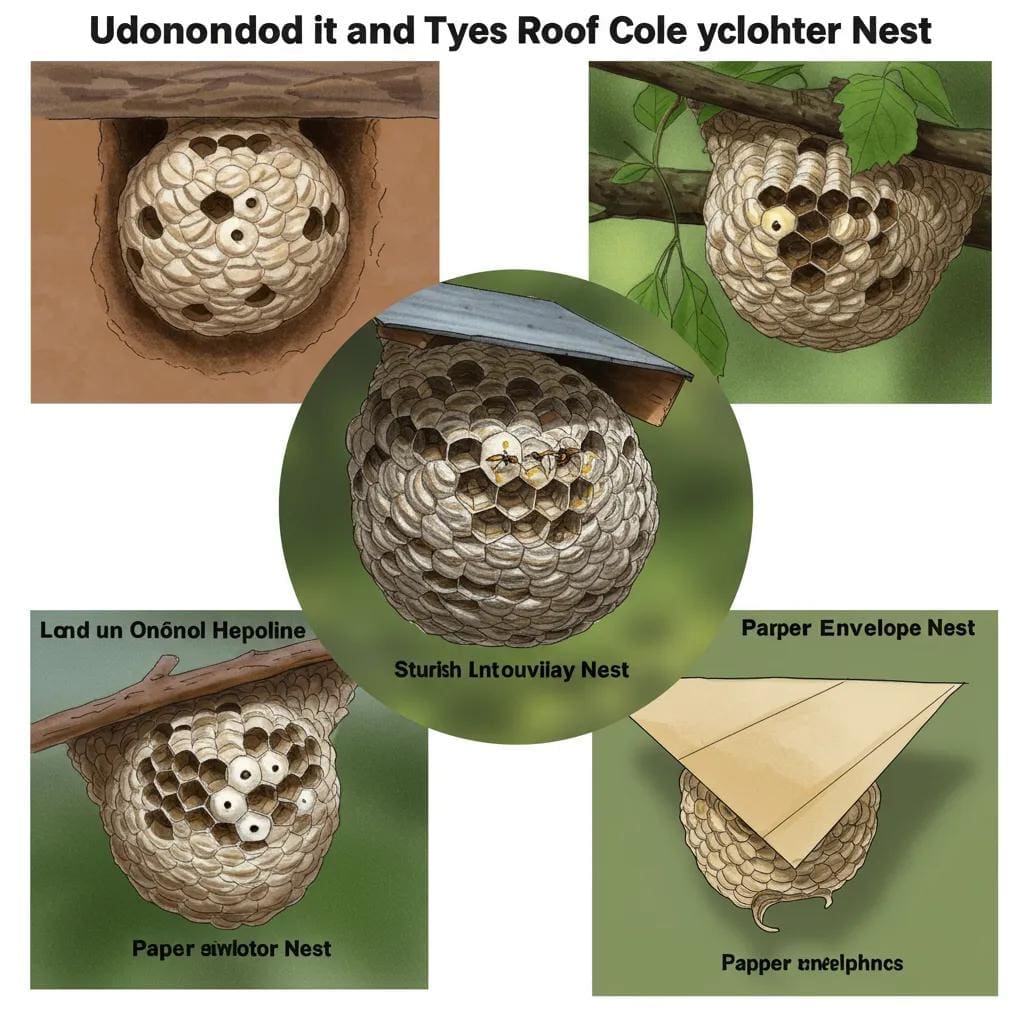
Illustration of different types of wasp and hornet nests in various environments

Wasps and hornets build their nests by meticulously chewing wood fibres or plant material into a paper-like pulp. This material is then formed into layered chambers designed to house larvae and adult workers. These nests can expand rapidly during the breeding season, often reaching populations of several thousand individuals by late summer. Understanding where and when these nests appear is key to implementing timely interventions that prevent potentially dangerous infestations.

Typical Nesting Locations for Wasps and Hornets

The specific nesting locations chosen by wasps and hornets depend on their species-specific habits and the availability of sheltered environments:

  • Concealed underground voids, such as beneath decking or within abandoned rodent burrows.
  • Sheltered roof cavities, soffits, or gaps within the walls of domestic buildings.
  • Hollow trees, dense shrubbery, and garden sheds that offer protection from the elements.
  • Enclosed spaces within machinery, wheel arches, or infrequently used equipment.

Materials Used in Nest Construction

Wasps and hornets process cellulose, typically sourced from timber, paper, or dead wood, into a pulp. This pulp is then mixed with their saliva to create durable, paper-like layers for their nests. The following table outlines the attributes of common nest construction materials:

Material SourceCompositionStructural Benefit
Softwood fibresCellulose pulpOffers high resistance to weather
Paper and cardboardProcessed paper fibresProvides moderate insulation
Bark stripsMixed pulpCreates a flexible structure
Decayed wood chipsFibrous residueMay degrade more rapidly

Nest-Building Season for Wasps and Hornets

Nest construction typically commences in the spring when queen wasps emerge from hibernation to establish new colonies. This process accelerates through early summer, with peak activity usually occurring between June and August. By October, nests reach their maximum size but begin to decline as temperatures drop. Scheduling control measures before the colony reaches its peak development can significantly curtail its growth and simplify the removal process.

Effective Strategies for Wasp and Hornet Control

Effective control of wasps and hornets involves a combination of targeted nest removal, the application of appropriate treatments, and strategic timing. Employing integrated pest management methods can reduce the reliance on harsh chemicals and enhance long-term protection. Early intervention is crucial for disrupting colony cycles and minimising the risk of stings.

Safely Removing Wasp and Hornet Nests

It is advisable to undertake nest removal during low-light conditions, such as dusk or dawn, when most insects are likely to be inside the nest. Always wear appropriate protective equipment and approach the nest slowly and deliberately:

  1. Don a full-body protective suit, including a veil, thick gloves, and sturdy boots.
  2. Apply a fast-acting contact insecticide spray directly at the nest entrance.
  3. Allow a minimum of 24 hours to confirm that the colony is inactive.
  4. Carefully detach the nest using a long-handled pole or an extendable tool.
  5. Seal the removed nest securely in a double-layered container before disposal.

Adhering to these steps helps ensure complete nest removal and significantly reduces the risk of residual stings.

Recommended Natural and Chemical Treatments

Integrating both natural deterrents and professional-grade products can achieve a balanced approach to hornet and wasp control:

Treatment TypeKey Active ComponentApplication Advantage
Peppermint oil sprayMenthol compoundsActs as a natural repellent
Dust insecticideDeltamethrinProvides long-lasting residual action
Wasp bait trapsProtein or sugar-based lureAttracts and eliminates foraging workers
Pyrethroid foamCypermethrinEffectively expands into concealed voids
Diatomaceous earthMicroscopic silica particlesWorks by dehydrating insect exoskeletons

When to Engage Professional Pest Control Services

Contacting pest control experts is highly recommended when nests are located in inaccessible or high-risk areas, such as deep within roof voids, wall cavities, or in proximity to busy public spaces. Professionals possess specialised equipment and utilise eco-certified products to guarantee thorough Wasp Nest Removal with minimal environmental impact. Early engagement can prevent infestations from escalating into large, mature colonies that are more difficult and dangerous to manage.

Green Control Methods for the Yellow-legged Hornet (Vespa velutina)

The yellow-legged hornet, Vespa velutina nigrithorax (Hymenoptera: Vespidae, Lepeletier 1836), is native to Southeast Asia and has been unintentionally introduced into France. The species is spreading across many areas of the world. The European Union has classified V. velutina as a species of concern because the hornet significantly impacts beekeeping activities, primarily by preying on honeybees (Apis mellifera) at beehive entrances. No current control method is simultaneously eco-friendly and effective. Here, we aimed to develop a greener technique for destroying V. velutina nests, inspired by a defence behaviour employed by the eastern honeybee (Apis cerana), the “heat ball”. In the laboratory, we investigated how V. velutina of different sexes, castes, and developmental stages responded to various heat exposure systems employing a range of temperature levels. Overall, the time to death decreased as temperature increased. Hornets died faster when the temperature was gradually increased compared to when it was ins

Characterizing thermal tolerance in the invasive yellow-legged hornet (Vespa velutina nigrithorax): The first step toward a green control method, L Berville, 2020

Preventing Wasp and Hornet Nests on Your Property

Implementing proactive measures can significantly reduce the attractiveness of your property as a nesting site and block potential colony foundations. By maintaining your property’s integrity and strategically deploying natural deterrents, you can discourage queens from establishing nests near your living spaces.

Home Maintenance Tips to Deter Wasps and Hornets

Regular property upkeep helps eliminate features that attract nesting insects:

  • Thoroughly inspect and repair any cracks or openings in eaves, walls, and foundations.
  • Keep garden beds clear of debris, fallen wood, and accumulated leaf litter.
  • Ensure lids are securely fitted on compost bins and outdoor waste containers.
  • Prune dense vegetation that could provide suitable nesting locations.

Natural Repellents: Plants and Scents

Certain botanical extracts and plants can act as effective natural deterrents for wasps and hornets:

  • Mint varieties – Their strong menthol scent can confuse insect olfactory senses.
  • Eucalyptus – The aroma of cineole is known to deter paper wasps.
  • Citronella grass – Helps mask the scents of food and pheromones that attract insects.
  • Basil and wormwood – These plants produce bitter compounds that discourage nesting.

Sealing Entry Points and Eliminating Food Sources

Blocking physical access points and removing attractants further discourages colonization:

  1. Inspect windows, doors, and vents, and install fine-mesh screens where necessary.
  2. Use silicone sealant to fill any gaps around utility pipes and wiring entering the property.
  3. Store all food waste in airtight bins and promptly clean up any outdoor spills.
  4. Avoid leaving sweet drinks or uncovered meat scraps outdoors, especially during warmer months.

Closing these vulnerabilities and removing potential attractants significantly strengthens your defence against future wasp and hornet infestations.

Risks and Safety Precautions When Dealing with Wasps and Hornets
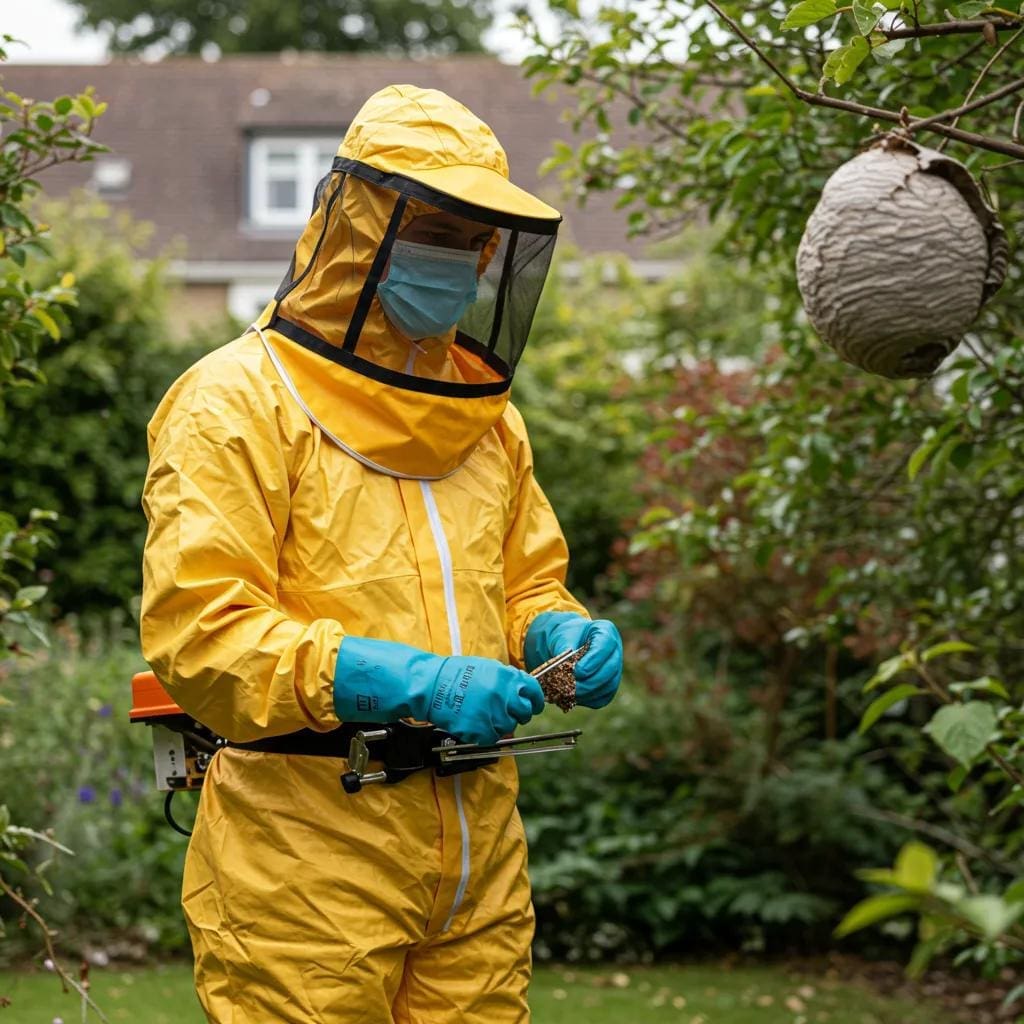
Person in protective gear preparing to remove a wasp nest in a garden

Interacting with stinging insects carries inherent risks, ranging from painful reactions to potentially life-threatening anaphylaxis. Understanding these hazards and implementing appropriate protective measures is essential for safeguarding both DIY enthusiasts and professionals during Wasp Control and Hornet Control operations.

Health Risks Associated with Wasp and Hornet Stings

Wasp and hornet stings inject venom containing peptides and enzymes that can cause pain, swelling, and allergic reactions. Common symptoms include localised redness and itching. However, severe reactions may manifest as difficulty breathing, dizziness, or anaphylactic shock. Individuals with known allergies should always carry an epinephrine auto-injector and seek immediate medical attention if stung.

Personal Protection During Nest Removal or Control Activities

Utilising proper personal protective equipment (PPE) and following established procedures can significantly minimise the risk of injury:

  • Wear a full-coverage bee suit or thick overalls, ensuring the veil is securely sealed.
  • Use chemical-resistant gloves and sturdy, steel-toe boots.
  • Maintain a safe distance from the nest and always plan an unobstructed escape route.
  • Avoid wearing perfumes or brightly coloured clothing, as these can attract insects.

Emergency Procedures Following a Sting

Administering immediate first aid can help limit complications and accelerate recovery:

  1. Carefully remove the stinger or venom sac by scraping it away firmly.
  2. Clean the affected area thoroughly with soap and water to prevent infection.
  3. Apply a cold compress to the sting site to reduce swelling and alleviate discomfort.
  4. Closely monitor for any signs of breathing difficulties or swelling that extends beyond the immediate sting area.
  5. Seek emergency medical assistance immediately if any signs of anaphylaxis develop.

Swift action and knowledge of these emergency response steps can be lifesaving in the event of a sting.

Early Detection of Wasp and Hornet Infestations

Identifying wasp and hornet activity in its early stages is crucial for preventing colony establishment and simplifying removal efforts. Recognising behavioural and physical indicators allows for timely intervention.

Common Signs of Wasp and Hornet Activity Around Homes

Visible cues that may indicate an emerging infestation include:

  • A noticeable increase in insect traffic around a specific entry point.
  • The discovery of small, paper-like nests in sheltered locations, such as under eaves or within dense shrubbery.
  • Faint rustling or buzzing sounds emanating from within wall cavities or voids.
  • Spotting individual wasps or hornets actively scouting for potential nesting sites.

Promptly investigating these signals can help avert the development of larger, more problematic infestations.

Monitoring Nests Safely Without Disturbing Insects

Employing safe observation methods can provide valuable insights into nest growth and insect behaviour:

  1. Use binoculars to inspect nests from a safe distance of at least three metres.
  2. Schedule observation checks during cooler morning or evening hours when insect activity is typically lower.
  3. Note any changes in nest size and observe the flight patterns of foraging workers.
  4. Avoid making sudden movements or creating vibrations near the nest, as these can provoke defensive responses.

Monitoring the nest over several days can provide crucial data for determining the optimal time for control measures.

When to Take Action Based on Early Infestation Signs

It is best to intervene when nests are small – generally under 20 cm in diameter – and before the worker population significantly increases. Early action simplifies the removal process, lowers the risk of stings, and reduces the need for more intensive treatments. Delaying intervention until late summer often results in more aggressive colonies that necessitate professional pest control services.

Environmental Considerations in Wasp and Hornet Control

Pest control measures can potentially impact non-target species, including beneficial pollinator populations and local ecosystems. Balancing effective pest removal with environmental stewardship is essential for maintaining long-term ecological health alongside homeowner safety.

Impact of Control Methods on Local Ecosystems

Broad-spectrum insecticides, if used improperly, may harm beneficial insects like bees and butterflies through spray drift or residual toxicity. Mechanical nest removals generally have a minimal environmental footprint, but care should be taken to avoid disturbing nesting birds or small mammals in the vicinity of the nest. A thorough assessment of the ecological context surrounding each nest guides responsible decision-making.

Eco-Friendly Alternatives for Wasp and Hornet Control

Sustainable approaches can minimise collateral damage while maintaining effective control:

  • Utilise specialised nest traps designed to capture only target species.
  • Employ botanical insecticides derived from natural sources like neem or pyrethrum.
  • Deploy live bait stations containing species-specific attractants to lure and capture pests.
  • Explore innovative technologies such as temperature-based nest freezing methods.

Balancing Pest Control with Pollinator Protection

Effective strategies integrate targeted pest management with habitat preservation and enhancement:

  1. Remove only active nests, leaving abandoned structures intact for potential use by solitary bees.
  2. Schedule pest control interventions outside of peak flowering seasons whenever possible.
  3. Establish dedicated pollinator gardens in areas away from high-traffic zones.
  4. Educate neighbours and the community on integrated pest management best practices.

Restoring warmth and safety to your property is achievable when wasp and hornet infestations are addressed with expert insight and meticulous planning. By accurately identifying species, understanding nest construction, applying suitable removal and treatment techniques, and consistently implementing preventive measures, you can minimise risks and protect both people and pollinators. For large or inaccessible nests, engaging professional pest control services ensures thorough removal and provides lasting peace of mind. Trust in proven methods and proactive property maintenance to keep your home free from stinging threats.

Close-up of a wasp and hornet in a garden, showcasing their distinct features and colors

Expert Wasp & Hornet Nest Removal: Identification, Prevention, and Safe Extermination

Wasps and hornets can quickly turn a tranquil garden into a hazardous area if left unchecked. An active nest presents risks of painful stings, severe allergic reactions, and potential property damage. However, effective wasp and hornet control strategies can restore safety and peace of mind without causing unnecessary harm. This comprehensive guide will equip you with the knowledge to identify the key differences between these insects, understand their nesting behaviours, implement proven removal techniques, establish preventive measures, and adhere to crucial safety precautions. We’ll also cover early detection tips and eco-friendly considerations to ensure your property remains protected while preserving the delicate balance of our local pollinators. Whether you’re dealing with a small wasp nest or a formidable hornet colony, this article provides actionable insights and clarifies when it’s time to call in specialist pest control services.

Understanding Wasps and Hornets: Key Differences and Identification

Wasps and hornets are predatory insects belonging to the Vespidae family, distinguished by their size, coloration, and nesting habits. Accurately identifying these differences is fundamental to successful wasp nest removal and effective hornet control. Wasps typically feature slender bodies with vibrant yellow and black banding, while hornets are generally larger, possessing a more robust thorax and subtler markings. Precise identification minimises the risk of misapplying control methods and significantly enhances safety outcomes.

How to Visually Distinguish Wasps from Hornets

Wasps are characterised by their narrow waists, long legs, and glossy wings that fold lengthwise. Hornets, conversely, exhibit thicker abdomens and broader heads. Observing their flight patterns can also be a helpful indicator: paper wasps often hover with a slow wingbeat, whereas hornets tend to accelerate in short, decisive bursts. Noting these visual cues during daylight hours provides immediate confirmation of the species you are encountering, which directly informs the most appropriate removal approach.

Common Wasp and Hornet Species Found Near Homes

Several species frequently establish nests in or around residential properties, each presenting unique challenges for hornet and wasp control:

SpeciesNest TypePotential Hazard Level
Common WaspTypically found in underground voidsModerate sting risk
German WaspOften colonises roof spacesHigh frequency of stings
European HornetMay build nests within wall cavitiesPotentially powerful sting
Tree WaspConstructs a papery envelope nestCan cause moderate disruption
Oriental HornetExcavates nests in soilKnown for aggressive defence

This overview helps you anticipate potential nesting sites and associated hazard levels, guiding both DIY efforts and decisions regarding professional consultation.

Why Accurate Identification is Crucial for Effective Control

Correctly identifying the species is paramount to selecting the safest removal technique and the most effective treatment product. Mistaking a hornet for a smaller wasp could lead to an under-prepared response and potentially severe stings. Understanding the specific biology of each insect also allows for a more targeted approach to colony structure, maximising the impact of nest removal while minimising environmental disruption and safeguarding non-target pollinators.

Ecological Impact and Management of Invasive Vespidae Worldwide

This review assesses the distribution, abundance, impact, and management of invasive Vespidae globally. We identified 34 vespid species known to have been introduced worldwide, but the seven most invasive species are all eusocial. Most introduced Vespidae are found in only one or two countries, but some areas have become geographic hotspots for invasion: Hawaii (15 species), North America (eight species), New Zealand (five species), Australia (four species), and South America (four species). Two invasive species, *Vespula vulgaris* and *V. germanica*, have become particularly widespread and abundant, with a range of impacts on biodiversity and ecosystem function. Other successful invasive species include several *Polistes* spp., which affect local biodiversity through direct predation or competition for food or space. Toxic baiting has been the most successful control strategy against invasive vespids to date, although this has mostly been small-scale experimental management as it has proved difficult to develop commercial control products. The development of shelf-stable lures or baits combined with suitable toxins or pathogens could overcome some of the commercial impediments. Several attempts at biological control using parasitoids have not successfully reduced invasive wasp populations, although the biocontrol agent has only established in one case. The social structure of colonies and their high reproductive efficiency have facilitated the invasion by these species, but it also means management at the population level will be difficult. This emphasises the need to prevent such invasions from occurring in the first place.

Ecological effects and management of invasive alien Vespidae, JR Beggs, 2011

How Wasps and Hornets Construct Nests: Understanding Their Habits and Locations

Illustration of different types of wasp and hornet nests in various environments

Wasps and hornets build their nests by meticulously chewing wood fibres or plant material into a paper-like pulp. This material is then formed into layered chambers designed to house larvae and adult workers. These nests can expand rapidly during the breeding season, often reaching populations of several thousand individuals by late summer. Understanding where and when these nests appear is key to implementing timely interventions that prevent potentially dangerous infestations.

Typical Nesting Locations for Wasps and Hornets

The specific nesting locations chosen by wasps and hornets depend on their species-specific habits and the availability of sheltered environments:

  • Concealed underground voids, such as beneath decking or within abandoned rodent burrows.
  • Sheltered roof cavities, soffits, or gaps within the walls of domestic buildings.
  • Hollow trees, dense shrubbery, and garden sheds that offer protection from the elements.
  • Enclosed spaces within machinery, wheel arches, or infrequently used equipment.

Materials Used in Nest Construction

Wasps and hornets process cellulose, typically sourced from timber, paper, or dead wood, into a pulp. This pulp is then mixed with their saliva to create durable, paper-like layers for their nests. The following table outlines the attributes of common nest construction materials:

Material SourceCompositionStructural Benefit
Softwood fibresCellulose pulpOffers high resistance to weather
Paper and cardboardProcessed paper fibresProvides moderate insulation
Bark stripsMixed pulpCreates a flexible structure
Decayed wood chipsFibrous residueMay degrade more rapidly

Nest-Building Season for Wasps and Hornets

Nest construction typically commences in the spring when queen wasps emerge from hibernation to establish new colonies. This process accelerates through early summer, with peak activity usually occurring between June and August. By October, nests reach their maximum size but begin to decline as temperatures drop. Scheduling control measures before the colony reaches its peak development can significantly curtail its growth and simplify the removal process.

Effective Strategies for Wasp and Hornet Control

Effective control of wasps and hornets involves a combination of targeted nest removal, the application of appropriate treatments, and strategic timing. Employing integrated pest management methods can reduce the reliance on harsh chemicals and enhance long-term protection. Early intervention is crucial for disrupting colony cycles and minimising the risk of stings.

Safely Removing Wasp and Hornet Nests

It is advisable to undertake nest removal during low-light conditions, such as dusk or dawn, when most insects are likely to be inside the nest. Always wear appropriate protective equipment and approach the nest slowly and deliberately:

  1. Don a full-body protective suit, including a veil, thick gloves, and sturdy boots.
  2. Apply a fast-acting contact insecticide spray directly at the nest entrance.
  3. Allow a minimum of 24 hours to confirm that the colony is inactive.
  4. Carefully detach the nest using a long-handled pole or an extendable tool.
  5. Seal the removed nest securely in a double-layered container before disposal.

Adhering to these steps helps ensure complete nest removal and significantly reduces the risk of residual stings.

Recommended Natural and Chemical Treatments

Integrating both natural deterrents and professional-grade products can achieve a balanced approach to hornet and wasp control:

Treatment TypeKey Active ComponentApplication Advantage
Peppermint oil sprayMenthol compoundsActs as a natural repellent
Dust insecticideDeltamethrinProvides long-lasting residual action
Wasp bait trapsProtein or sugar-based lureAttracts and eliminates foraging workers
Pyrethroid foamCypermethrinEffectively expands into concealed voids
Diatomaceous earthMicroscopic silica particlesWorks by dehydrating insect exoskeletons

When to Engage Professional Pest Control Services

Contacting pest control experts is highly recommended when nests are located in inaccessible or high-risk areas, such as deep within roof voids, wall cavities, or in proximity to busy public spaces. Professionals possess specialised equipment and utilise eco-certified products to guarantee thorough Wasp Nest Removal with minimal environmental impact. Early engagement can prevent infestations from escalating into large, mature colonies that are more difficult and dangerous to manage.

Green Control Methods for the Yellow-legged Hornet (Vespa velutina)

The yellow-legged hornet, Vespa velutina nigrithorax (Hymenoptera: Vespidae, Lepeletier 1836), is native to Southeast Asia and has been unintentionally introduced into France. The species is spreading across many areas of the world. The European Union has classified V. velutina as a species of concern because the hornet significantly impacts beekeeping activities, primarily by preying on honeybees (Apis mellifera) at beehive entrances. No current control method is simultaneously eco-friendly and effective. Here, we aimed to develop a greener technique for destroying V. velutina nests, inspired by a defence behaviour employed by the eastern honeybee (Apis cerana), the “heat ball”. In the laboratory, we investigated how V. velutina of different sexes, castes, and developmental stages responded to various heat exposure systems employing a range of temperature levels. Overall, the time to death decreased as temperature increased. Hornets died faster when the temperature was gradually increased compared to when it was ins

Characterizing thermal tolerance in the invasive yellow-legged hornet (Vespa velutina nigrithorax): The first step toward a green control method, L Berville, 2020

Preventing Wasp and Hornet Nests on Your Property

Implementing proactive measures can significantly reduce the attractiveness of your property as a nesting site and block potential colony foundations. By maintaining your property’s integrity and strategically deploying natural deterrents, you can discourage queens from establishing nests near your living spaces.

Home Maintenance Tips to Deter Wasps and Hornets

Regular property upkeep helps eliminate features that attract nesting insects:

  • Thoroughly inspect and repair any cracks or openings in eaves, walls, and foundations.
  • Keep garden beds clear of debris, fallen wood, and accumulated leaf litter.
  • Ensure lids are securely fitted on compost bins and outdoor waste containers.
  • Prune dense vegetation that could provide suitable nesting locations.

Natural Repellents: Plants and Scents

Certain botanical extracts and plants can act as effective natural deterrents for wasps and hornets:

  • Mint varieties – Their strong menthol scent can confuse insect olfactory senses.
  • Eucalyptus – The aroma of cineole is known to deter paper wasps.
  • Citronella grass – Helps mask the scents of food and pheromones that attract insects.
  • Basil and wormwood – These plants produce bitter compounds that discourage nesting.

Sealing Entry Points and Eliminating Food Sources

Blocking physical access points and removing attractants further discourages colonization:

  1. Inspect windows, doors, and vents, and install fine-mesh screens where necessary.
  2. Use silicone sealant to fill any gaps around utility pipes and wiring entering the property.
  3. Store all food waste in airtight bins and promptly clean up any outdoor spills.
  4. Avoid leaving sweet drinks or uncovered meat scraps outdoors, especially during warmer months.

Closing these vulnerabilities and removing potential attractants significantly strengthens your defence against future wasp and hornet infestations.

Risks and Safety Precautions When Dealing with Wasps and Hornets

Person in protective gear preparing to remove a wasp nest in a garden

Interacting with stinging insects carries inherent risks, ranging from painful reactions to potentially life-threatening anaphylaxis. Understanding these hazards and implementing appropriate protective measures is essential for safeguarding both DIY enthusiasts and professionals during Wasp Control and Hornet Control operations.

Health Risks Associated with Wasp and Hornet Stings

Wasp and hornet stings inject venom containing peptides and enzymes that can cause pain, swelling, and allergic reactions. Common symptoms include localised redness and itching. However, severe reactions may manifest as difficulty breathing, dizziness, or anaphylactic shock. Individuals with known allergies should always carry an epinephrine auto-injector and seek immediate medical attention if stung.

Personal Protection During Nest Removal or Control Activities

Utilising proper personal protective equipment (PPE) and following established procedures can significantly minimise the risk of injury:

  • Wear a full-coverage bee suit or thick overalls, ensuring the veil is securely sealed.
  • Use chemical-resistant gloves and sturdy, steel-toe boots.
  • Maintain a safe distance from the nest and always plan an unobstructed escape route.
  • Avoid wearing perfumes or brightly coloured clothing, as these can attract insects.

Emergency Procedures Following a Sting

Administering immediate first aid can help limit complications and accelerate recovery:

  1. Carefully remove the stinger or venom sac by scraping it away firmly.
  2. Clean the affected area thoroughly with soap and water to prevent infection.
  3. Apply a cold compress to the sting site to reduce swelling and alleviate discomfort.
  4. Closely monitor for any signs of breathing difficulties or swelling that extends beyond the immediate sting area.
  5. Seek emergency medical assistance immediately if any signs of anaphylaxis develop.

Swift action and knowledge of these emergency response steps can be lifesaving in the event of a sting.

Early Detection of Wasp and Hornet Infestations

Identifying wasp and hornet activity in its early stages is crucial for preventing colony establishment and simplifying removal efforts. Recognising behavioural and physical indicators allows for timely intervention.

Common Signs of Wasp and Hornet Activity Around Homes

Visible cues that may indicate an emerging infestation include:

  • A noticeable increase in insect traffic around a specific entry point.
  • The discovery of small, paper-like nests in sheltered locations, such as under eaves or within dense shrubbery.
  • Faint rustling or buzzing sounds emanating from within wall cavities or voids.
  • Spotting individual wasps or hornets actively scouting for potential nesting sites.

Promptly investigating these signals can help avert the development of larger, more problematic infestations.

Monitoring Nests Safely Without Disturbing Insects

Employing safe observation methods can provide valuable insights into nest growth and insect behaviour:

  1. Use binoculars to inspect nests from a safe distance of at least three metres.
  2. Schedule observation checks during cooler morning or evening hours when insect activity is typically lower.
  3. Note any changes in nest size and observe the flight patterns of foraging workers.
  4. Avoid making sudden movements or creating vibrations near the nest, as these can provoke defensive responses.

Monitoring the nest over several days can provide crucial data for determining the optimal time for control measures.

When to Take Action Based on Early Infestation Signs

It is best to intervene when nests are small – generally under 20 cm in diameter – and before the worker population significantly increases. Early action simplifies the removal process, lowers the risk of stings, and reduces the need for more intensive treatments. Delaying intervention until late summer often results in more aggressive colonies that necessitate professional pest control services.

Environmental Considerations in Wasp and Hornet Control

Pest control measures can potentially impact non-target species, including beneficial pollinator populations and local ecosystems. Balancing effective pest removal with environmental stewardship is essential for maintaining long-term ecological health alongside homeowner safety.

Impact of Control Methods on Local Ecosystems

Broad-spectrum insecticides, if used improperly, may harm beneficial insects like bees and butterflies through spray drift or residual toxicity. Mechanical nest removals generally have a minimal environmental footprint, but care should be taken to avoid disturbing nesting birds or small mammals in the vicinity of the nest. A thorough assessment of the ecological context surrounding each nest guides responsible decision-making.

Eco-Friendly Alternatives for Wasp and Hornet Control

Sustainable approaches can minimise collateral damage while maintaining effective control:

  • Utilise specialised nest traps designed to capture only target species.
  • Employ botanical insecticides derived from natural sources like neem or pyrethrum.
  • Deploy live bait stations containing species-specific attractants to lure and capture pests.
  • Explore innovative technologies such as temperature-based nest freezing methods.

Balancing Pest Control with Pollinator Protection

Effective strategies integrate targeted pest management with habitat preservation and enhancement:

  1. Remove only active nests, leaving abandoned structures intact for potential use by solitary bees.
  2. Schedule pest control interventions outside of peak flowering seasons whenever possible.
  3. Establish dedicated pollinator gardens in areas away from high-traffic zones.
  4. Educate neighbours and the community on integrated pest management best practices.

Restoring warmth and safety to your property is achievable when wasp and hornet infestations are addressed with expert insight and meticulous planning. By accurately identifying species, understanding nest construction, applying suitable removal and treatment techniques, and consistently implementing preventive measures, you can minimise risks and protect both people and pollinators. For large or inaccessible nests, engaging professional pest control services ensures thorough removal and provides lasting peace of mind. Trust in proven methods and proactive property maintenance to keep your home free from stinging threats.