

Ant Control Maidenhead: Expert Solutions for Your Home or Business
Ant problems affect countless Maidenhead homes and businesses annually, leading to compromised food, potential structural issues, and health concerns. Pest Dominion combines our local knowledge with environmentally conscious pest removal methods to tackle ant infestations efficiently and sustainably. This comprehensive guide covers the most common ant species found in Maidenhead and across the UK, the tell-tale signs of an infestation, our thorough inspection and treatment process, why you should trust our certified technicians, clear pricing information, and effective prevention tips. Understanding ant behaviour and professional control strategies will help you safeguard your property from future invasions and maintain a pest-free environment.
Common Ant Species in Maidenhead and the UK
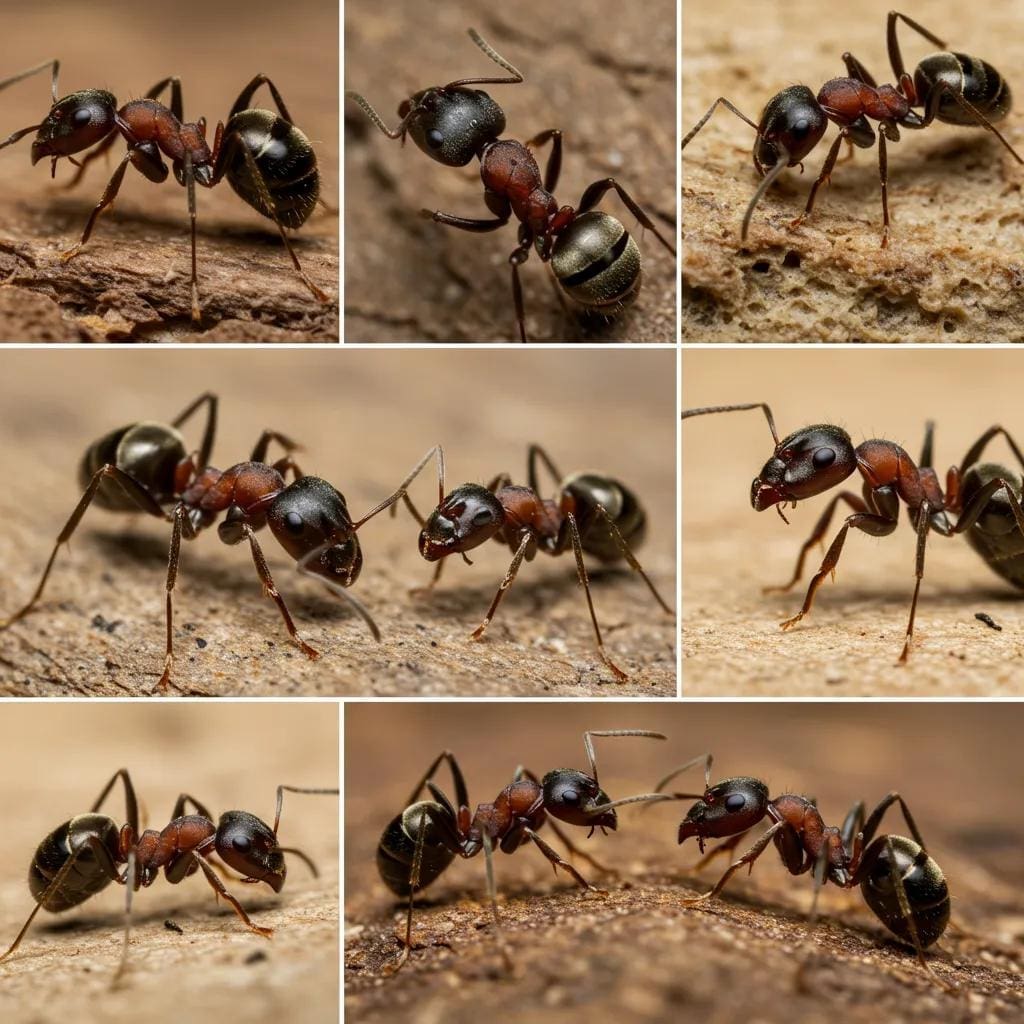
The most frequently encountered ant species in Maidenhead include the black garden ant, pharaoh ant, and carpenter ant. Each has distinct nesting habits, foraging patterns, and potential impacts on your property or food storage areas. Homeowners often spot *Lasius niger* searching for sugary crumbs, while indoor infestations of *Monomorium pharaonis* present significant sanitation challenges. *Camponotus* spp. can tunnel into timber, posing a risk to structural integrity if not addressed promptly. Familiarity with these species’ characteristics is key to developing effective treatments and preventative measures against recurring ant issues.
When identifying ants, pay attention to their size, colour, and where they nest. The following table outlines the key features and challenges associated with common UK ant species:
| Species | Scientific Name | Typical Nest Location | Control Complexity |
|---|---|---|---|
| Black Garden Ant | Lasius niger | Soil beneath paving, lawns | Large outdoor colonies often require targeted baiting |
| Pharaoh Ant | Monomorium pharaonis | Wall voids, behind appliances | Multiple indoor nests, rapid proliferation |
| Carpenter Ant | Camponotus spp. | Wooden structures | Damage to timber, extensive gallery networks |
| Yellow Meadow Ant | Lasius flavus | Grassy areas, soil mounds | Primarily outdoor nests, infrequent indoor presence |
| Flying Ant (alate) | Various species | Seasonal reproductive swarms | Temporary nuisance during mating flights |
This overview highlights that each ant species requires a specific approach for effective control, making it easier to recognise early signs of an infestation in your Maidenhead property.
Identifying Black Garden Ants (Lasius niger) in Your Property
Black garden ants are typically 3–5 mm long with a dark brown to black appearance. They follow distinct pheromone trails from their soil-based nests to food sources, often found in kitchens or along outdoor pathways. These ants are drawn to sweet substances but also collect protein for their developing young. Observing continuous lines of ants moving towards food packaging is a clear sign of an active *Lasius niger* colony.
A notable behaviour is their tendency to forage most actively around dawn and dusk. Spotting ants moving in straight, organised lines, rather than randomly, helps distinguish them from less persistent species and can guide the placement of effective baits.
Signs and Challenges of Pharaoh Ant Infestations
Pharaoh ants are very small (around 2 mm) and yellowish-brown. They are known for nesting in concealed indoor locations such as wall cavities, electrical outlets, and behind kitchen units. Signs of an infestation include faint trails along skirting boards, small groups of ants near warm pipes, and sudden appearances around sweet foods. Their hidden nests make them difficult to detect until their numbers become substantial.
A significant challenge with pharaoh ants is their ability to fragment colonies when disturbed, creating numerous satellite nests that can evade single treatment attempts. This reproductive strategy complicates eradication, necessitating integrated methods that combine non-repellent baits with targeted treatments across affected areas. Understanding these challenges underscores the need for a precise pest control strategy to prevent rapid re-infestation.
How Carpenter Ants Cause Structural Damage
Carpenter ants range from 6–13 mm in size and excavate damp or decaying wood to create galleries for their nests. Unlike termites, they do not eat the wood but hollow it out, potentially weakening structural elements like beams, window frames, and door sills. Early indicators of damage include faint rustling sounds within walls, fine sawdust-like material (frass) near entry points, and visible hollowed-out sections in damp timber.
The presence of carpenter ants often points to underlying moisture problems, as they prefer softened wood. Effective control involves addressing the moisture source and repairing damaged wood, in addition to treating the nest directly. Preventing carpenter ant damage requires a combination of good building maintenance and professional colony elimination to protect Maidenhead properties.
Other Common Ant Species in the UK
Besides the common garden, pharaoh, and carpenter ants, Maidenhead properties may occasionally host red ants (*Myrmica rubra*), yellow meadow ants (*Lasius flavus*), and seasonal flying ants (the reproductive stage of various species). Red ants can deliver a painful sting and build nests in soil mounds, while yellow meadow ants are primarily found outdoors, contributing to soil aeration. Flying ants emerge in summer for mating flights and typically do not establish indoor colonies. Recognizing these less common species helps distinguish between minor nuismsances and infestations requiring professional intervention.
Key Signs of an Ant Infestation in Maidenhead Properties
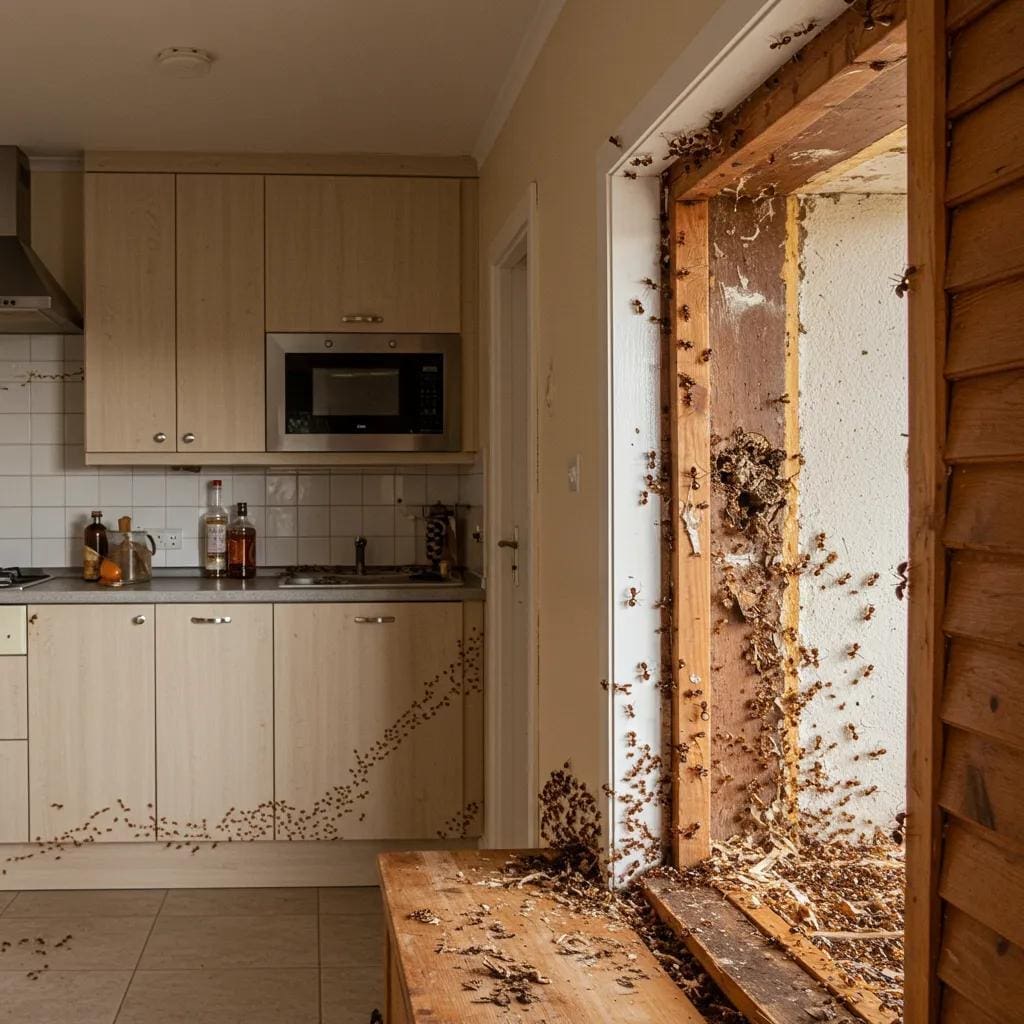
The most common indicators of an ant infestation include visible ant trails, the discovery of nests, increased ant activity indoors, and signs of property damage. Identifying these signs early can minimise the extent of professional treatments required and prevent widespread contamination or structural issues.
When ants search for food, they leave behind pheromone trails that guide other ants to the source. Spotting consistent lines of ants along skirting boards, windowsills, or garden paths is a strong indication of active foraging routes. Mapping these trails can help pinpoint potential nest locations for targeted treatment.
Ant nests can be found in soil mounds, under paving stones, within wall cavities, or beneath decking. Gently disturbing suspected areas might reveal entrance holes with ants actively moving in and out. Identifying common nesting spots speeds up the inspection process and leads to more precise treatments.
A surge in ant activity within kitchens, pantries, and bathrooms usually signifies a search for food and water resources. While infestations often peak during warmer months, indoor heating can sustain ant activity year-round. Reporting such activity promptly to pest control professionals can prevent contamination of food preparation areas.
Structural damage caused by carpenter ants may appear as smooth tunnels within damp or decaying wood, accompanied by piles of frass beneath entry points. Monitoring the condition of timber and addressing any moisture issues are crucial steps that complement direct nest elimination and ensure long-term protection.
Pest Dominion’s Ant Control Process in Maidenhead
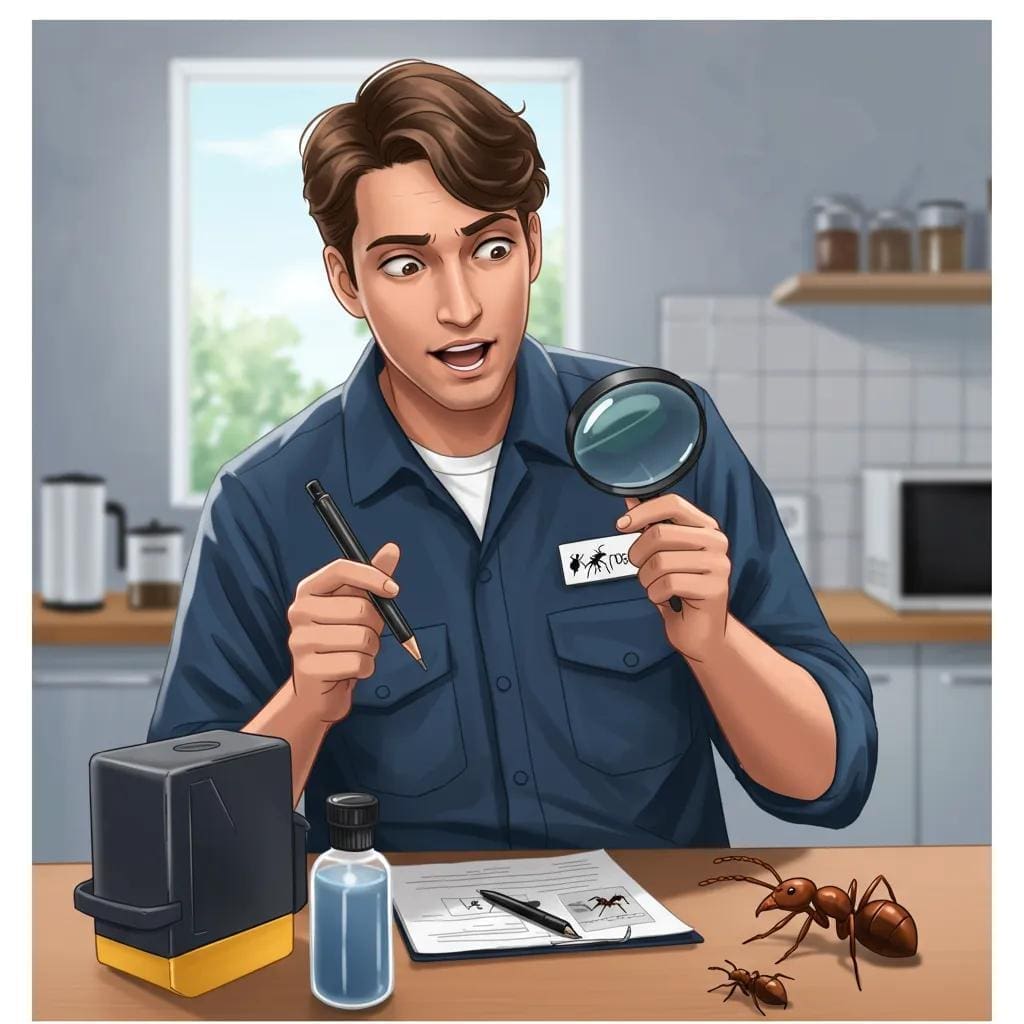
Our process begins with a thorough inspection to identify the ant species, locate nests, and assess the severity of the infestation. This diagnostic phase allows us to develop a customised treatment plan designed for effective colony eradication while minimising environmental impact.
We create a tailored treatment plan for each ant species, utilising a combination of baits, sprays, dusts, and direct nest treatments. For pharaoh ants, non-repellent gel baits are used to penetrate hidden galleries. Black garden ant colonies typically respond well to granular baits placed near foraging trails. Carpenter ant infestations require direct nest injections and advice on wood repair to prevent future issues.
Our technicians employ effective ant control methods, including:
- Ant Baits (Gels, Granules, Stations) – These formulations are designed to attract ants based on their specific feeding preferences, ensuring the slow-acting insecticide is carried back to the colony.
- Insecticide Sprays and Dusts – Applied carefully in cracks, crevices, wall voids, and around entry points to provide residual protection.
- Nest Treatment – Direct application of low-toxicity foam or dust into ant galleries ensures thorough colony elimination.
How Ant Baits Work and Types Used
Ant baits consist of attractive food sources mixed with insecticides. Ants consume the bait and carry it back to the nest, sharing it with the colony, including the queen and larvae. This process leads to the collapse of the entire colony. Gel baits are ideal for indoor use against pharaoh ants, granular baits are effective for outdoor garden infestations, and sealed bait stations offer a safe, continuous treatment option.
Safe Application of Insecticide Sprays and Dusts
Insecticide sprays and dusts are applied strategically to areas like wall junctions, roof voids, and perimeter foundations, ensuring that children and pets are safely removed from the vicinity beforehand. Our technicians use low-odour, regulated formulations that break down quickly, providing residual protection without affecting indoor air quality.
Complete Colony Elimination Through Nest Treatment
Nest treatment involves directly injecting foams or dusts into ant galleries to target the queen and brood. This direct approach bypasses bait aversion and provides immediate contact-kill action, leading to the collapse of galleries and preventing the establishment of new satellite nests.
Preventing Future Ant Infestations with Pest Dominion
Our preventive strategies include sealing cracks and gaps around windows, doors, and utility entry points, installing mesh screens on vents, and recommending regular sanitation practices. By reducing potential food sources and moisture, these proofing measures significantly decrease the likelihood of reinvasion and complement our professional treatments.
Why Choose Pest Dominion for Expert Ant Control in Maidenhead?
Pest Dominion technicians are BPCA accredited and possess extensive experience in ant biology and control techniques. Our local presence and understanding of Maidenhead’s specific environmental conditions enable us to provide rapid responses and tailored solutions.
We utilise environmentally friendly ant control methods, including biodegradable baits and low-toxicity insecticides, ensuring the safety of your family and pets during and after treatments. This sustainable approach aligns with best practices for urban pest management and environmental responsibility.
Every service is backed by a satisfaction guarantee. If ant activity persists within the warranty period, our team will return to re-treat at no additional cost. This commitment to delivering reliable results builds trust and reinforces our standing as Maidenhead’s leading ant control specialist.
Ant Control Costs in Maidenhead
The cost of ant control services varies depending on the ant species, the size and complexity of the infestation, and the type of property being treated. Minor black garden ant issues may incur lower costs, while extensive pharaoh or carpenter ant treatments often require more comprehensive interventions.
| Service Component | Typical Price Range | Included Treatments |
|---|---|---|
| Single Outdoor Colony Baiting | £75 – £120 | Placement and monitoring of granular or station-based baits |
| Indoor Pharaoh Ant Eradication | £90 – £150 | Application of gel baits, residual dusts, and follow-up inspection |
| Carpenter Ant Nest Injection | £130 – £180 | Direct foam/dust treatment, advice on timber repair, and proofing recommendations |
| Comprehensive Prevention Plan | £50 – £80 | Sealing of entry points, moisture assessment, and sanitation guidance |
These price ranges offer a general idea; exact quotes will be provided following a no-obligation site survey. Contact Pest Dominion for a personalised estimate detailing recommended treatments and warranty terms.
Factors Influencing Ant Extermination Service Costs
Service costs are influenced by the complexity of the ant species, the number and accessibility of nests, and the level of residual protection required. Properties with multiple structures or commercial kitchens may necessitate longer treatment schedules and more extensive proofing measures.
Typical Cost Ranges for Professional Ant Control in Maidenhead
Professional ant control services in Maidenhead typically range from £75 to £180 per treatment, depending on the specifics of the infestation. Comprehensive packages that include both eradication and prevention start from £130 and include warranty-backed follow-up visits.
How to Get a Free, No-Obligation Quote from Pest Dominion
To obtain a free quote, simply request a survey by calling us or sending an email. A qualified technician will visit your property to assess the infestation and provide a clear, written estimate without any obligation.
Preventing Ant Infestations in Your Maidenhead Property
Maintaining rigorous sanitation by promptly cleaning up food spills and storing perishable items in sealed containers significantly reduces ant attraction. Regularly clearing garden debris and eliminating standing water sources also helps deter outdoor ant colonies.
Sealing potential entry points, such as gaps around pipes, vents, and door frames, using materials like silicone caulk or weather-stripping, effectively blocks ant access. Regular inspection of external walls and door seals complements professional proofing services.
Effective moisture control, achieved through proper gutter maintenance, fixing leaks, and using dehumidifiers in damp areas, limits opportunities for carpenter ants to nest. Addressing humidity not only prevents wood decay but also reduces overall pest pressure.
Taking early action at the first sign of ants is crucial for protecting your property value and health. Engaging professional pest proofing services when minor ant activity is observed ensures infestations are halted before they can escalate into larger problems.
Frequently Asked Questions About Ant Control in Maidenhead
Homeowners commonly inquire about long-term ant elimination strategies, immediate treatment options, recommended products, and species identification. Understanding these frequent questions helps align expectations with effective solutions and the importance of timely professional support.
How Can I Permanently Get Rid of Ants in My Home?
Achieving permanent ant removal requires addressing the entire colony, including the queen and developing brood. Professional baiting and nest treatments eliminate ants at their source, while preventative proofing measures block re-entry. A combination of chemical and non-chemical methods ensures lasting results.
What Is the Fastest Way to Eliminate Ants in the UK?
The most rapid resolution typically involves applying non-repellent gel baits that foraging ants carry directly back to their nests. This method can effectively collapse colonies within days, proving more efficient than surface sprays that often only temporarily disperse foraging ants.
What Are the Best Ant Killers Available in the UK?
For professional use, slow-acting baits containing inert gels or granular formulations in bait stations offer optimal control. Homeowners can find temporary relief with food-grade borax baits and diatomaceous earth barriers, but professional services are essential for comprehensive eradication.
How Can I Identify Different Ant Species on My Property?
Identifying ant species involves observing their size, colour, and nesting behaviour. Black garden ants typically nest outdoors in soil, pharaoh ants favour hidden indoor locations like wall voids, and carpenter ants excavate timber. Observing their foraging patterns and nest sites aids in accurate classification.
When Is Professional Ant Control Necessary?
Professional intervention becomes necessary when infestations persist despite DIY efforts, when pharaoh ants establish multiple indoor nests, or when timber-damaging carpenter ants pose a risk to structural integrity. Early engagement with experts can reduce costs and prevent extensive damage.
Effective ant management in Maidenhead requires a strategic combination of species-specific tactics, robust proofing measures, and expert oversight. Partnering with Pest Dominion grants you access to certified expertise, environmentally responsible treatments, and guaranteed outcomes that safeguard your home or business for the long term.