


Moth-Proof Your Home: The Definitive UK Guide to Clothes, Carpet, and Pantry Moth Prevention
Keeping moths out of your wardrobes, carpets, and food stores in the UK begins with understanding why these unwelcome guests invade our homes. Clothes moths, carpet moths, and pantry moths can silently damage natural fibres and contaminate your dry goods, leading to frustrating losses and costly repairs. This comprehensive guide will walk you through identifying common moth species, implementing proven prevention tactics, exploring natural repellents, handling minor infestations with DIY solutions, knowing when to enlist professional help in Maidenhead, and establishing long-term monitoring routines. By integrating expert advice from Pest Dominion Limited’s sustainable, BPCA-registered moth control services with practical tips on moth-proofing and prevention, you’ll be well-equipped to safeguard your fabrics, carpets, and pantry essentials, and know precisely when to call in the qualified technicians.
Common Moth Species in UK Homes: What They Are and Why They're a Nuisance
The primary moth troublemakers in UK households are clothes moths, carpet moths, and pantry moths. The larvae of clothes moths have a particular taste for keratin, a protein found in natural fibres like wool, cashmere, and silk, leaving behind tell-tale irregular holes in your garments. Carpet moth larvae are equally destructive, targeting wool carpets and upholstery, often creating bare patches and leaving behind silken webbing. Pantry moth larvae, on the other hand, infest stored dry foods such as rice, flour, and cereals, contaminating them with webbing and droppings. Each of these species goes through a four-stage life cycle: egg, larva, pupa, and adult. However, the real damage is done during the larval stage when their feeding is most intense. Early identification is key to preventing their spread and minimising the need for extensive treatments.
Which Moth Species Target Your Clothes, Carpets, and Pantries?
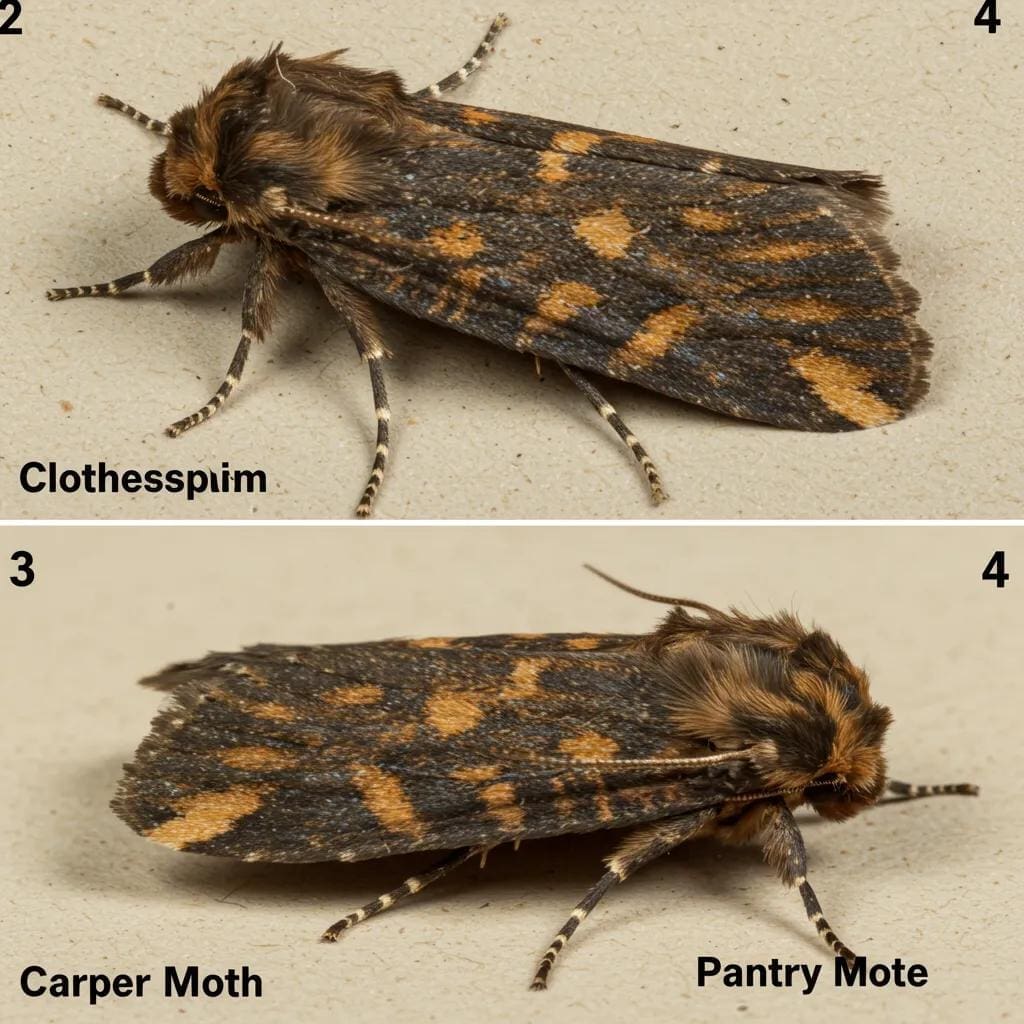
- Common Clothes Moth (Tineola bisselliella): This species thrives on keratin-rich materials like wool, cashmere, fur, and silk. production.english-heritage.org.uk
- Carpet Moth (Trichophaga tapetzella): Primarily targets wool carpets, rugs, and upholstery fabrics. ukmoths.org.uk
- Pantry Moth (Plodia interpunctella): A common invader of stored dry goods, contaminating cereals, nuts, grains, and even pet food. nexles.com
Each moth species has specific dietary needs, which dictates their preferred food sources. Therefore, effective prevention strategies must address both textile protection and the secure storage of dry goods.
Why Are Moth Larvae the Primary Culprits Behind Textile and Food Damage?
Moth larvae are equipped with specialised mouthparts designed for chewing through natural fibres and starches. They tend to stay hidden within the folds of fabrics or the confines of food packaging, feeding relentlessly for weeks. The secretions from larvae can leave stains on materials, and the presence of frass (tiny droppings) is a clear indicator of an ongoing infestation. Once they mature, larvae pupate and emerge as adult moths, ready to mate and lay eggs, thus perpetuating the cycle. Disrupting the larvae through thorough cleaning, freezing, or trapping is essential to halting damage to your fabrics and pantry items before a new generation can emerge.
Spotting the Signs of a Moth Infestation in Your Home
Don’t wait for significant damage to occur; keep an eye out for these tell-tale signs:
- Noticeable, irregular holes appearing in your woollen garments and cashmere jumpers.
- Bare patches or the presence of silken tubes and casings within your carpets and rugs.
- Webbing and fine dust found inside food packaging, often accompanied by live larvae or shed pupal skins.
- The sight of small, pale adult moths fluttering around your cupboards or wardrobes.
- Accumulations of frass (small, dark droppings) along skirting boards or inside storage containers.
Catching an infestation early is crucial for swift action, protecting your valuable textiles and pantry staples from further harm.
Top Moth Prevention Strategies for UK Homes
Effective moth-proofing involves a multi-pronged approach combining diligent housekeeping, smart storage solutions, and environmental control. Regular vacuuming of carpets, paying special attention to edges and areas under furniture, is vital for removing eggs, larvae, and silken cases before they can mature. Washing or freezing seasonal garments at least twice a year is an excellent way to eliminate any hidden larvae lurking in your wardrobes. A thorough annual clean-out of pantry shelves, along with discarding expired dry goods, can prevent pantry moth infestations from taking hold. Consistency in these cleaning routines is key to interrupting the moth life cycle and reducing the reliance on chemical treatments.
How Does Regular Cleaning Help Keep Moths at Bay?
Consistent cleaning is your first line of defence, effectively removing moth eggs and larvae before they have a chance to hatch or feed. Make it a habit to vacuum your carpets, rugs, and the areas beneath furniture weekly, ensuring you reach those dark corners where eggs are often laid. Launder clothes, curtains, and linens at high temperatures, or opt for freezing items at −18 °C for a fortnight to ensure the demise of larvae and eggs. Don’t forget to dust around skirting boards and within storage areas, as this removes potential food sources for moths. These simple actions collectively starve the immature stages of moths and break their breeding cycles.
Smart Storage Solutions to Safeguard Your Clothes and Carpets
Optimise your storage practices with these effective solutions:
- Utilise airtight plastic containers and sealed boxes to create a barrier that moths cannot penetrate.
- Opt for breathable cotton garment bags over cardboard boxes, which can trap moisture while still denying moths entry.
- Incorporate cedar-lined chests and solid cedar hangers, as cedarwood naturally repels moth larvae.
- Consider vacuum-packed storage for your off-season woollens; this method eliminates air pockets where moth eggs might otherwise develop.
Well-sealed and regularly monitored storage is paramount for preventing new infestations and ensuring the long-term protection of your vulnerable fabrics.
Reducing Moth Risks Through Environmental Control and Ventilation
Maintaining good airflow and controlling humidity levels can significantly hinder moth development. Regularly air out your wardrobes and carpeted rooms to discourage moths from laying eggs. If you have areas prone to moisture build-up, consider using dehumidifiers or extractors, as moths thrive in relative humidity levels between 50% and 75% for optimal larval growth. Moths also tend to avoid brightly lit, well-ventilated spaces, so allowing natural daylight into cupboards can be beneficial. A balanced approach to your home’s environment, combined with diligent cleaning and proper storage, forms a robust prevention framework.
Effective Natural Moth Repellents for UK Homes

Natural deterrents leverage the power of strong-scented botanicals that moths instinctively avoid. Essential oils and aromatic woods release volatile compounds that can confuse moth navigation and discourage them from laying eggs. When used in conjunction with regular cleaning and sealed storage, these repellents offer a chemical-free layer of protection for your wardrobes, carpets, and pantries.
How Cedarwood Repels Moths and How to Use It Effectively
Cedarwood is naturally rich in oils like cedrol and thujopsene, which act as repellents for adult moths and can inhibit the feeding activity of larvae. To use it, place cedar balls, blocks, or shavings within your drawers and wardrobes. To maintain their effectiveness, refresh them by lightly sanding or applying a touch of cedar oil every six months. Solid cedar hangers and lining panels provide continuous protection for items stored hanging. This method offers a long-term, chemical-free solution for deterring moths.
Can Lavender and Other Essential Oils Help Keep Moths Away?
Certain plants, like English lavender (Lavandula angustifolia), contain compounds such as linalool and linalyl acetate that are known to repel adult moths. You can use this natural defence by distributing sachets of dried lavender in your wardrobes or by using sprays made from diluted lavender, patchouli, or sage essential oils. Remember to rotate your lavender sachets annually to ensure their fragrance and repellent properties remain potent. These aromatic botanicals not only keep your storage smelling fresh but also discourage moths from laying their eggs on your precious textiles.
Herbal Solutions That Prove Effective Against Moths
Dried herbs like rosemary, thyme, and bay leaves contain compounds such as cineole and other terpenoids that can be toxic to moth larvae. You can create small herb sachets or mix dried leaves with cedar shavings to create a multi-botanical deterrent. Place these in drawers and along the edges of carpets. Herbal blends complement cedar and lavender, broadening the range of repellent compounds to tackle different moth species effectively.
DIY Solutions for Tackling Minor Moth Infestations
For small-scale moth problems, DIY interventions can be highly effective in preventing them from escalating. By combining monitoring traps, freezing techniques, and targeted natural sprays, you can eliminate larvae and disrupt breeding cycles without resorting to professional-grade chemicals. Applying these methods early can prevent significant damage and reduce the risk of the infestation spreading to other areas of your home.
How Pheromone Moth Traps Work for Monitoring and Population Control
Pheromone traps are designed to attract male moths using synthetic versions of female moth pheromones. Once captured, these males are unable to mate, which effectively lowers the reproductive rate of the moth population. Place these traps in dark corners, behind wardrobes, and near kitchen cupboards to monitor for the presence of different moth species and gauge the size of the infestation. Regularly checking the number of moths caught in the traps will give you a clear indication of the infestation’s severity and the success of your treatment efforts.
The Best Method for Freezing Infested Items to Eliminate Moth Larvae and Eggs
Freezing small textiles at a temperature of −18 °C for a minimum of 14 days is a highly effective method for ensuring the complete mortality of moth larvae and eggs. To prevent condensation damage, seal the garments in plastic bags before placing them in the freezer. Once thawed at room temperature, brush the items and allow them to air dry completely to remove any dead debris. This method is not only safe and environmentally friendly but also preserves delicate fabrics without the need for chemical exposure.
Are There Safe DIY Sprays for Moth Control?
Natural pyrethrum extracts, derived from chrysanthemum flowers, offer a safe and effective insecticidal action against moth larvae upon contact. You can prepare a DIY spray by mixing a botanical pyrethrum concentrate with water and a small amount of surfactant. Apply this mixture sparingly to infested textiles and storage areas. Ensure treated items are fully dry before wearing or storing them. These natural sprays are excellent for managing minor infestations without leaving behind persistent chemical residues.
When to Call Professional Moth Control Services in Maidenhead
While minor moth issues can often be resolved with DIY methods, persistent or widespread infestations typically require expert intervention. Pest Dominion Limited offers rapid, BPCA-registered, and TrustMark-accredited moth eradication and prevention services in Maidenhead. We employ a range of solutions, including safe insecticide sprays, strategic pheromone trap deployment, fumigation, or heat treatments, to effectively halt all life stages of moths. Professional treatment not only restores your peace of mind but also prevents costly recurring damage.
Signs That Indicate You Need Expert Moth Extermination
- You continue to find new holes or frass despite your best cleaning efforts.
- Your moth traps are catching dozens of adult moths each week.
- The infestation appears to have spread across multiple rooms or affects a large collection of textiles.
- The problem keeps returning even after you’ve tried freezing and thorough vacuuming, suggesting hidden breeding sites remain.
If you’re experiencing persistent moth activity in specific areas, it’s a strong signal that larvae reservoirs are still active and require comprehensive control measures that only professionals can provide.
Professional Moth Control Treatments Offered by Pest Dominion Limited
Our comprehensive moth control service in Maidenhead includes:
- A thorough inspection to pinpoint breeding sites and assess the extent of any damage.
- Application of chemical spray treatments using long-lasting insecticides that are safe for domestic use.
- Strategic placement of pheromone traps designed to disrupt adult moth breeding cycles.
- Optional fumigation or controlled heat treatments for particularly severe textile or pantry infestations.
- Follow-up visits and tailored prevention advice to ensure your home remains moth-free.
Our qualified and insured technicians guarantee safe, effective, and sustainable eradication methods that comply with all environmental standards.
Understanding the Cost of Professional Moth Control in the UK
The cost of professional moth control services can vary depending on the severity of the infestation, the size of your property, and the specific treatment methods employed. Here are some typical price ranges:
| Treatment Type | Price Range | Coverage |
|---|---|---|
| Basic Spray & Trap Combo | £150–£220 | Single room textile infestation |
| Fumigation or Heat-Treat | £220–£300+ | Multi-room or severe outbreaks |
| Follow-up & Prevention | £80–£120 | One additional visit |
We provide transparent quotes following an initial inspection, ensuring there are no hidden fees and the scope of work is clearly defined.
Maintaining a Moth-Free Home for the Long Term
Sustained moth prevention is achieved through a combination of regular monitoring, integrated pest management techniques, and professional guidance. Continue to use pheromone traps year-round to detect any early signs of activity, and make it a habit to vacuum thoroughly at least annually, especially before peak breeding seasons. Rotate your natural repellents and ensure all off-season garments are stored in sealed containers. Keep your environmental controls optimised—ensure good ventilation, manage humidity, and allow for light exposure in storage areas to deter egg-laying. By combining your own vigilance with annual professional checks from Pest Dominion Limited, you can ensure ongoing protection for your fabrics and pantry items.
Best Practices for Regular Moth Monitoring and Early Detection
- Consistently deploy pheromone traps in wardrobes, airing cupboards, and pantry corners.
- Inspect stored garments and carpets every 3–4 months, looking for any signs of damage, casings, or frass.
- Review your trap catches monthly, noting the species and numbers to accurately assess the risk level.
- Rotate the locations of your traps periodically to ensure all vulnerable areas are covered and to prevent moths from finding safe havens.
Routine surveillance is your best tool for enabling a rapid response and keeping moth outbreaks effectively at bay.
Combining Natural and Professional Methods for Enduring Protection
Utilise natural repellents like cedarwood, lavender, and herbal sachets to create deterrent barriers around your textiles. Complement this with professional annual inspections from BPCA-registered Pest Dominion Limited, who can identify and address any hidden reservoirs before they escalate into full-blown infestations. A seasonal schedule that includes DIY cleaning, freezing, and pheromone monitoring, punctuated by expert treatments, forms a truly integrated pest management plan. This dual-strategy approach guarantees both immediate relief and long-lasting moth prevention.
By maintaining consistent vigilance and integrating effective household measures with professional expertise, you can ensure a moth-free home, enjoy lasting peace of mind, and preserve your cherished fabrics and food stores for years to come.